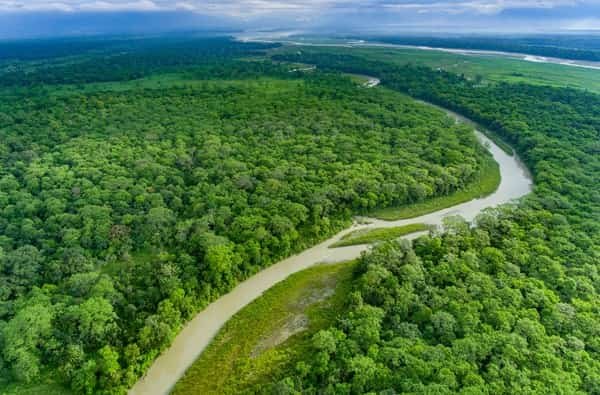
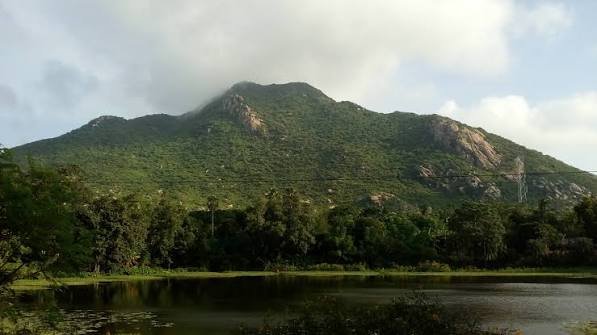
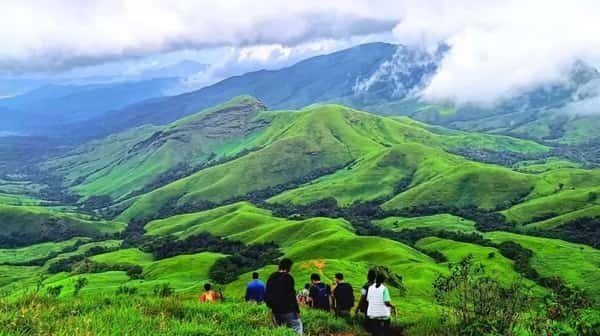
Kudremukh National Park is one of Karnataka’s most striking Western Ghats landscapes, known for rolling grass-covered mountains, shola forests, deep valleys, waterfalls and rare wildlife. Spread across about 600.57 sq km, the park lies across parts of Chikkamagaluru, Dakshina Kannada and Udupi districts. Its best-known landmark is Kudremukh Peak, whose profile resembles a horse’s face and gives the region its name.
The park is also internationally significant. Kudremukh National Park is one of the component areas of the UNESCO World Heritage-listed Western Ghats, inscribed in 2012 for exceptional biodiversity and endemism. The protected landscape supports tiger, leopard, dhole, gaur, sambar, sloth bear, Malabar giant squirrel and the endangered lion-tailed macaque, while more than 200 bird species have been recorded in the region.
Unlike Bandipur or Nagarahole, Kudremukh is not mainly a drive-through wildlife destination. Trekking, guided forest excursions, waterfalls and nature-based tourism are central to the visitor experience. Permits are compulsory for treks, camping is not allowed, and access is tightly regulated because of the sensitivity of the mountain ecosystem. As of September 2026, major trekking routes are open under the Forest Department’s regulated booking system.
| Particulars | Details |
| Destination | Kudremukh National Park |
| Where it is located | Western Ghats of Karnataka; across Chikkamagaluru, Dakshina Kannada and Udupi districts |
| Area | About 600.57 sq km |
| UNESCO status | Component of the Western Ghats World Heritage Site |
| Kudremukh Peak height | 1,892 metres |
| Best-known activity | Kudremukh Peak trek |
| Kudremukh Peak trek fee | ₹575 per person |
| Mandatory guide charge | ₹1,000 per group of up to 10 trekkers |
| Safari entry fee | ₹200 per person |
| Safari vehicle charge | ₹3,000 per vehicle; maximum 7 visitors |
| Waterfall entry | Around ₹200 per person |
| Daily trek limit | Up to 300 trekkers across regulated entries |
| Best time to visit | October to March |
| Nearest main access town | Kalasa |
| Distance from Mangaluru | About 100 km |
| Distance from Bengaluru | About 330 km |
Kudremukh National Park Timings
Kudremukh does not operate like a conventional zoo with one fixed entry window for every attraction. Treks, forest safaris and waterfall visits have their own booking and reporting schedules.
The wildlife safari is generally offered in morning and evening sessions, with Karnataka Tourism currently indicating approximate start times around 7:00 AM and 4:00 PM. Exact reporting time should be taken from the confirmed reservation because access can change with weather, forest conditions and seasonal restrictions.
Trekking is a daytime activity. Kudremukh Peak is a full-day trek and participants must begin early enough to return before sunset because overnight camping inside the National Park is prohibited. The round trip is roughly 20 km and normally takes most of the day.
During periods of high fire risk, wildlife census work or severe weather, the Forest Department can temporarily close trekking routes. Visitors should therefore check the official booking portal immediately before travel rather than relying on an old itinerary.
Kudremukh National Park Ticket Cost
Kudremukh has separate charges for trekking, safari and waterfall experiences. The current Forest Department booking portal lists the following rates:
| Activity | Current Listed Charge |
| Kudremukh Peak Trek | ₹575 per person |
| Netravati Peak Trek | ₹500 per person |
| Gangadikal Peak Trek | ₹475 per person |
| Kurinjal Peak Trek | ₹475 per person |
| Valikunja Peak Trek | ₹500 per person |
| Narasimha Parvatha Trek | ₹500 per person |
| Guide | ₹1,000 for a group of up to 10 persons |
| Safari Entry | ₹200 per person |
| Safari Vehicle | ₹3,000 per vehicle, maximum 7 visitors |
| Waterfall Visit | ₹200 per person |
Reservations are compulsory for the regulated activities. The official portal also requires trekkers to carry valid identification, and a guide is mandatory. One guide is required for every group of up to 10 trekkers.
The listed safari cost should not be confused with a ₹200 all-inclusive safari ticket. The ₹200 figure is the individual entry component, while the vehicle charge is listed separately at ₹3,000. A maximum of seven visitors can travel in the safari vehicle.
Kudremukh Peak Trek
The Kudremukh Peak trek is the park’s signature experience. Starting from the Mullodi side, the trail passes through forest, streams, open grasslands and exposed ridgelines before reaching the high slopes around the horse-shaped peak.
Karnataka Tourism describes the route as roughly 20 km round trip. It is generally considered moderate for reasonably fit trekkers, but the distance, steep sections and changing weather make it a demanding full-day outing rather than a casual walk.
The forest ecosystem is fragile, so permits and guides are mandatory. Camping is prohibited and trekkers must return the same day. The number of trekkers is regulated, and the Forest Department currently limits daily entries to protect the trails and reduce pressure on wildlife.
September 2026 has brought extra attention to the Kudremukh hills because Neelakurinji flowers are blooming along several routes, including Kudremukh, Kurinjal, Gangadikal and Netravati. The Forest Department has made it clear that normal carrying-capacity limits and permit rules continue to apply despite the increased interest.
Other Trekking Routes
Netravati Peak
Netravati is another popular Western Ghats trek in the Kudremukh landscape. It offers open mountain views, grasslands and forest sections and currently has a listed trek charge of ₹500 per person, excluding the mandatory guide fee.
Kurinjal and Gangadikal
Kurinjal and Gangadikal are useful alternatives for visitors who want a mountain trek but cannot secure a Kudremukh Peak permit. Both routes showcase the shola-grassland character of the Western Ghats and are currently listed at ₹475 per person.
Valikunja and Narasimha Parvatha
These routes broaden the park’s trekking options for repeat visitors and more serious hikers. They remain regulated forest treks and should never be attempted without a valid permit and the required guide.
Wildlife Safari
Kudremukh also offers a regulated safari experience, although wildlife viewing here differs from the classic tiger-reserve safaris of Bandipur or Nagarahole. Dense evergreen forest and steep terrain can make animals harder to spot, and sightings of large predators are unpredictable.
The safari is nevertheless useful for experiencing the vegetation and wider forest landscape. Gaur, deer, wild boar, monkeys and birds are more likely to be encountered than tigers or leopards. Karnataka Tourism currently lists the safari entry component at ₹200 per person, with a separate ₹3,000 vehicle charge for a vehicle carrying up to seven visitors.
Morning and evening sessions are available. Advance reservation is compulsory.
Waterfalls and Forest Attractions
Heavy rainfall across the Kudremukh hills feeds numerous streams and waterfalls. Hanuman Gundi Falls is one of the best-known attractions in the region, while Kadambi Falls and other cascades become particularly attractive during and immediately after the monsoon.
Waterfall access is part of the park’s regulated eco-tourism programme. The current listed charge is around ₹200 per person for waterfall visits, although individual sites can be temporarily restricted during heavy rain or unsafe water conditions.
Gangamoola is another important natural feature. The forested hill area is associated with the headwaters of the Tunga, Bhadra and Netravati river systems, demonstrating how important the Kudremukh landscape is as a watershed for both east- and west-flowing rivers.
Wildlife and Biodiversity
Kudremukh protects one of the finest remaining evergreen and shola-grassland landscapes in the central Western Ghats. Tiger, leopard and dhole occur as top predators, while gaur, sambar, spotted deer, wild boar and sloth bear are also present.
The endangered lion-tailed macaque is especially significant. The Western Ghats are its natural home, and the Kudremukh landscape contains important habitat for this canopy-dwelling primate.
Birdwatchers can look for Malabar whistling thrush, Malabar trogon, great pied hornbill, Nilgiri wood pigeon and many other Western Ghats species. The combination of evergreen forest, streams and montane grassland supports very high biodiversity and endemism.
How to Reach Kudremukh National Park
Kalasa is the most useful access town for the Kudremukh area. Road travel is the practical way to reach the park because there is no railway station or airport at Kudremukh itself.
By Road
Kudremukh is about 20 km from Kalasa, around 95 km from Chikkamagaluru, roughly 100 km from Mangaluru and about 330 km from Bengaluru. Roads through the Ghats are scenic but can be slow because of curves, rain and fog.
By Train
Mangaluru Junction is around 100 km away and is one of the most useful major railway stations. Kadur Railway Station, on the eastern side of the Ghats, is roughly 110 km away.
By Air
Mangaluru International Airport is the nearest major airport, about 95 km from the Kudremukh region. Bengaluru airport is far more distant and is more practical only for travellers combining Kudremukh with a longer Karnataka itinerary.
Best Time to Visit Kudremukh
October to March is the best overall period for trekking, birdwatching and comfortable outdoor activity. The hills remain lush after the southwest monsoon, while cooler temperatures make long treks easier.
June to September brings very heavy rainfall. The landscape is spectacularly green, but trails become slippery, streams rise quickly and visibility can fall sharply in mist. Trekking access may also be temporarily restricted when conditions become unsafe.
April and May can still be visited, but temperatures are higher and some vegetation begins to dry. Anyone planning specifically for a trek should check permit availability and route status before finalising accommodation.
How Much Time Is Needed?
Visitors interested only in a short scenic drive, waterfall or safari can plan a day trip from Kalasa. Kudremukh Peak itself needs almost a full day because the round-trip trek is long and must be completed before sunset.
Two days is more comfortable for travellers who want to combine a major trek with waterfalls, birdwatching or another eco-tourism activity. Staying around Kalasa or nearby homestays also reduces the need for a long early-morning drive before reporting for the trek.
FAQs
Q. Is Kudremukh mainly a safari park or a trekking destination?
Kudremukh is better known as a trekking and nature destination. A regulated safari is available, but the park’s mountain terrain, shola forests, grasslands and long trekking routes are its defining visitor experiences.
Q. Is a guide compulsory for the Kudremukh Peak trek?
Yes. The current Forest Department rules require a guide, with one guide for every group of up to 10 trekkers. The guide charge is separate from the individual trek fee.
Q. Can visitors camp overnight inside Kudremukh National Park?
No. Camping inside the National Park is prohibited. Trekkers must complete the permitted route and return within the authorised daytime period.
Q. Is the Kudremukh trek suitable for complete beginners?
A reasonably fit beginner can attempt it, but the roughly 20 km round trip is physically demanding. Anyone unused to long walks, steep slopes or wet mountain trails should prepare beforehand rather than treating it as an easy sightseeing walk.
Q. Are tigers commonly seen during the Kudremukh safari?
No. Tigers occur in the wider ecosystem, but sightings are rare because of the dense forest and terrain. Gaur, deer, wild boar, monkeys and birds are more realistic wildlife expectations.
Q. Why are trekking permits limited?
Daily limits help reduce erosion, litter, disturbance to wildlife and crowd pressure on narrow mountain routes. Kudremukh is part of an ecologically sensitive Western Ghats landscape, so carrying capacity is strictly regulated.
Q. Is Kudremukh part of a UNESCO World Heritage Site?
Yes. Kudremukh National Park is one of the component areas of the Western Ghats serial World Heritage property, which UNESCO inscribed in 2012 for its exceptional biodiversity and ecological importance.
Q. Can travellers simply arrive at the trek starting point and buy a ticket?
Advance reservation is required for regulated treks. Because daily capacity is limited and popular dates can fill quickly, visitors should secure the permit through the official Forest Department system before travelling.