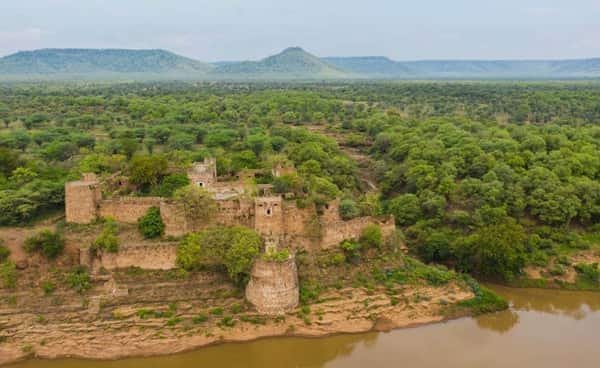
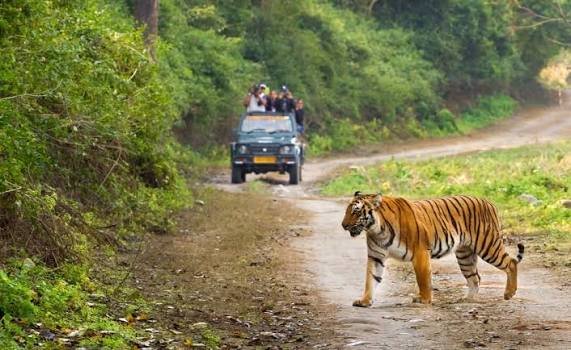
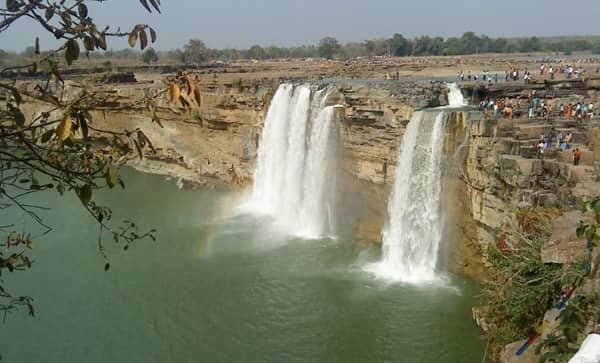
Similipal National Park is one of eastern India’s most distinctive forest destinations, known for vast sal forests, rolling hills, waterfalls, elephants and the rare melanistic tigers for which the Similipal landscape has become internationally recognised. Located in Mayurbhanj district of northern Odisha, it forms the heart of a much larger tiger reserve and biosphere landscape that protects some of the richest forest biodiversity in the state.
A major change took place on April 24, 2025, when the Odisha government finally issued the notification declaring 845.70 sq km of Similipal as a National Park. The proposal had first been initiated decades earlier. Similipal is now Odisha’s largest National Park and the state’s second National Park after Bhitarkanika. The larger Similipal Tiger Reserve covers 2,750 sq km, including 1,194.75 sq km of core habitat and 1,555.25 sq km of buffer. The wider Similipal Biosphere Reserve was added to UNESCO’s World Network of Biosphere Reserves in 2009.
Tourism here is very different from a short tiger safari in many central Indian reserves. A day inside Similipal can involve long drives through forest roads, waterfalls such as Barehipani and Joranda, grasslands, river valleys and wildlife-viewing areas. As of September 2026, online entry booking is temporarily closed because of the annual monsoon shutdown. The reserve generally remains open from November 1 to June 15, although the Field Director announces the exact opening and closing dates each season.
| Particulars | Details |
| Destination | Similipal National Park / Similipal Tiger Reserve |
| Where it is located | Mayurbhanj district, Odisha |
| National Park area | 845.70 sq km |
| Tiger Reserve area | 2,750 sq km |
| Main entry gates | Jashipur/Kaliani side and Pithabata, Baripada side |
| General tourism season | Usually November 1 to June 15 |
| Current status in September 2026 | Closed for annual monsoon season |
| Entry time – Pithabata Gate | 8:00 AM to 9:00 AM |
| Entry time – Jashipur side | 5:00 AM to 9:00 AM |
| Entry fee – Indian visitor | ₹100 per person |
| Entry fee – Foreign visitor | ₹200 per person |
| 12-seat safari vehicle – Jashipur side | ₹6,000 for day visitors |
| 12-seat safari vehicle – Baripada side | ₹6,500 for day visitors |
| Open wildlife safari | ₹4,500 per vehicle/sortie on listed circuits |
| Best time to visit | November to March |
| Recommended duration | 1 full day; 2 days if staying inside/near the reserve |
Similipal National Park Timings
Similipal does not operate like an urban park with a simple opening and closing time. Entry is controlled through specific gates, and visitors must enter within the permitted morning window so that they can complete the long forest circuit and leave before sunset.
The official booking system currently lists entry at Pithabata Gate between 8:00 AM and 9:00 AM. On the Jashipur side, entry is permitted from about 5:00 AM to 9:00 AM. Night driving is strictly prohibited, and all visitors must leave the protected area before sunset.
The reserve generally remains open from November 1 to June 15. During the monsoon, roads become difficult and tourism is suspended. The exact reopening date can shift depending on rainfall, road repairs and forest conditions. As of September 5, 2026, the official portal shows online bookings temporarily closed for the annual monsoon season.
Similipal National Park Ticket Cost
The latest official safari-booking material lists an entry fee of ₹100 per Indian visitor and ₹200 per foreign visitor for persons above three years of age. Students travelling on an approved study tour are charged ₹30 per student. Entry charges are separate from safari vehicle, guide and other applicable fees.
| Visitor Category | Entry Fee |
| Indian visitor above 3 years | ₹100 per person |
| Foreign visitor above 3 years | ₹200 per person |
| Student on study tour | ₹30 per student |
12-Seater Safari Vehicle Charges
Visitors who do not want to take an eligible private vehicle can book official 12-seat air-conditioned safari vehicles. The currently published tariff lists ₹6,000 per day sortie from the Khairi booking centre on the Jashipur side and ₹6,500 from the Field Director’s office at Bhanjpur, Baripada. Night-halt tariffs are higher, at ₹7,000 and ₹7,500 respectively.
| Boarding Point | Day Visitor Tariff | Night-Halt Tariff |
| Khairi Booking Centre, Jashipur | ₹6,000 | ₹7,000 |
| Bhanjpur, Baripada | ₹6,500 | ₹7,500 |
Open Wildlife Safari
Similipal also lists open wildlife safari vehicles from Pithabata, Gurguria and Jamuani. The published price is ₹4,500 per safari vehicle/sortie. These operate in designated zones such as Nawana, Gurguria and Chahala. Vehicle availability is limited, so the official booking system is the safest place to confirm the service after the reserve reopens.
Entry Gates and Safari Routes
Jashipur Side
The Jashipur side is useful for travellers approaching from northern Odisha and the Kolkata-Balasore corridor. The route can include Ramatirtha, Gurguria, Uski waterfall, Barehipani, Joranda, Chahala and Jamuani depending on the approved circuit. Official 12-seat safari vehicles are available from the Khairi booking centre.
Pithabata and Baripada Side
Pithabata is the principal entry for visitors approaching from Baripada. The route leads deeper into Similipal towards attractions such as Joranda and Barehipani waterfalls and Chahala. Because distances inside the reserve are large, travellers should not compare Similipal with a two-hour jeep safari in a compact tiger-tourism zone.
Private vehicles are allowed only if they meet park requirements. The official rules require light motor vehicles with at least 180 mm ground clearance; four-wheel drive is preferable. Sedans, hatchbacks, buses and trucks are not allowed on the tourism route. A nature guide is mandatory for every vehicle.
Barehipani and Joranda Waterfalls
Waterfalls are among the defining features of Similipal. Barehipani is a spectacular multi-tiered waterfall set against forested hills and is one of the most recognised attractions inside the reserve. Joranda is another major waterfall, plunging from a high cliff into the forested valley below.
The waterfalls are not isolated roadside attractions. Reaching them involves long forest drives, which is why entry is restricted to the morning. During the post-monsoon and winter period, the surrounding landscape is particularly green and the falls usually carry good water.
Wildlife at Similipal
Similipal is especially important for tigers and elephants. The Odisha government’s 2025 National Park notification highlighted the landscape’s wild tiger population, including its famous melanistic or unusually dark-striped tigers. These animals are a distinctive genetic feature of the Similipal population.
Asian elephants, leopards, gaur, sambar, barking deer, giant squirrels, wild boar and several smaller mammals are also present. The wider biosphere reserve supports exceptionally rich plant diversity, including extensive sal forest and numerous orchid species. Birdlife is another strength, with hundreds of species recorded across the landscape.
Wildlife sightings during a tourist drive are never guaranteed. Similipal is heavily forested and much larger than the open tourism zones of many central Indian tiger reserves, so a visit is best appreciated as a combination of wilderness, scenery, waterfalls and wildlife rather than as a tiger-sighting trip alone.
How to Reach Similipal National Park
By Road
Baripada and Jashipur are the main gateway towns. Baripada is well connected by road with Balasore and other parts of Odisha, while Jashipur provides convenient access to the northern side of the reserve. Odisha Tourism lists Similipal at roughly 192 km from Bhubaneswar.
By Train
Baripada is the nearest railway station listed by Odisha Tourism for the Similipal Nature Camp route. Balasore is a larger railhead with stronger long-distance connectivity, after which travellers can continue towards Baripada by road.
By Air
Bhubaneswar is the principal airport used by most long-distance visitors. From there, travellers continue by road towards Baripada or the relevant eco-tourism accommodation.
Best Time to Visit Similipal
November to March is the most comfortable period. The weather is cooler, the forest is fresh after the monsoon and waterfalls remain attractive. Winter also makes the long drives inside the reserve more pleasant.
April and May can be hot, although wildlife activity around water sources may become more noticeable. June is less dependable because the reserve normally closes around the middle of the month as the monsoon approaches. Travellers planning an October or early-November trip should wait for the official reopening announcement rather than relying on a fixed annual date.
How Much Time Is Needed?
A day visit should be treated as a full-day excursion because the internal distances are considerable. Visitors generally enter early and return before sunset after covering one of the approved circuits. Those who want a slower experience can stay at approved eco-tourism accommodations in or around the reserve and spread the trip over two days.
FAQs
Q. Is Similipal now officially a National Park?
Yes. Odisha issued the final notification on April 24, 2025, declaring 845.70 sq km as Similipal National Park. Earlier articles often described it only as a proposed National Park because the final declaration had remained pending for decades.
Q. Is Similipal a UNESCO World Heritage Site?
No. Similipal is part of UNESCO’s World Network of Biosphere Reserves, which it joined in 2009. This is different from UNESCO World Heritage Site status.
Q. Can a normal hatchback or sedan enter Similipal?
No. The official rules require suitable light motor vehicles with at least 180 mm ground clearance, and four-wheel drive is preferable. Hatchbacks and sedans are specifically not permitted on the tourism routes.
Q. Is Similipal mainly a tiger-sighting destination?
Not in the same way as some compact safari parks. Tigers live in Similipal, including its distinctive melanistic population, but the dense forest makes sightings unpredictable. The waterfalls, sal forests, elephants and overall wilderness are equally important parts of the experience.
Q. Can visitors enter without a guide?
No. A nature guide is mandatory for every tourist vehicle entering the reserve. The guide fee is charged separately from the visitor and vehicle entry fees.
Q. Can Similipal be covered in a two-hour safari?
No. The tourism circuits are long and generally require most of the day. Visitors should plan Similipal as a full-day forest journey rather than a short morning or evening safari.
Q. Are food and alcohol allowed inside the reserve?
Alcohol and non-vegetarian food are prohibited inside the protected area. The reserve also provides limited cooked-food arrangements at designated locations such as Barehipani through community-managed facilities when booked in advance.
Q. Why does Similipal close during the monsoon?
Heavy rain affects forest roads and makes long internal routes unsafe. The closure also gives the reserve time for road maintenance and wildlife protection during the wet season. The exact reopening date is decided according to prevailing conditions.