Valley of Flowers National Park is one of India’s most celebrated Himalayan landscapes, famous for a seasonal explosion of alpine flowers across a high valley in Chamoli district of Uttarakhand. Spread over about 87 sq km, the park lies within the Nanda Devi Biosphere Reserve and forms one half of the UNESCO World Heritage property Nanda Devi and Valley of Flowers National Parks.
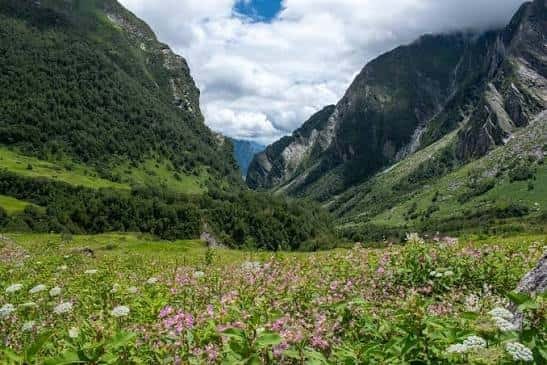
What makes the destination special is its seasonality. Snow covers the upper landscape for much of the year, but after the park opens in June, monsoon moisture transforms the valley into a mosaic of primulas, anemones, potentillas, asters, orchids and hundreds of other flowering plants. Uttarakhand Tourism notes more than 600 plant species in the wider valley environment.
This is a trekking destination, not a road safari. Visitors stay at Ghangaria, walk to the Forest Department entry gate and explore the valley on foot. Camping and overnight stay inside the National Park are prohibited, so every visitor must return to Ghangaria the same day.
| Particulars | Details |
| Destination | Valley of Flowers National Park |
| Location | Chamoli district, Uttarakhand |
| Area | About 87 sq km |
| UNESCO status | Part of Nanda Devi and Valley of Flowers National Parks World Heritage Site |
| 2026 opening season | June to October |
| Typical gate opening | Around 7:00 AM |
| Last entry | Around 2:00 PM |
| Exit required | By about 5:00 PM |
| 2026 Indian entry fee | ₹200 |
| 2026 foreign visitor fee | ₹800 |
| Main base | Ghangaria |
| Best bloom | July to September, especially late July-August |
| Recommended duration | 3-4 days from Govindghat; longer if combining Hemkund Sahib |
Valley of Flowers National Park Timings
The park is a daylight-only destination. In the 2026 season, visitors generally enter from around 7:00 AM, with last entry around 2:00 PM and all visitors expected to return before the evening closure around 5:00 PM.
Overnight camping inside the park is not allowed. This rule matters because the valley trek is longer than many visitors expect, especially when photography and weather delays are added.
Valley of Flowers National Park Ticket Cost
The latest 2026 planning rate is ₹200 for Indian visitors and ₹800 for foreign nationals. The permit is issued for the protected area and visitors must carry valid identification.
The park ticket does not include accommodation at Ghangaria, transport to Govindghat or Pulna, porter or mule services, food or any Hemkund Sahib arrangements.
The Trek from Ghangaria
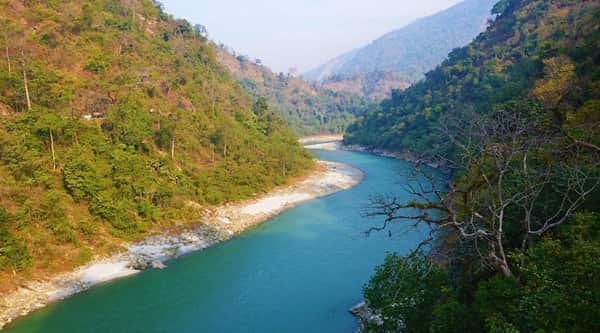
Ghangaria is the final settlement before the National Park. From here, the trail climbs towards the entry gate and then follows the Pushpawati valley through forest, streams and open alpine meadow.
The walk is moderate rather than technical, but altitude, rain and slippery surfaces can make it tiring. Visitors should start early and keep enough time for the return.
Flowers and Wildlife
The valley is famous for flowering plants rather than large-animal sightings. The strongest bloom usually comes from July into August, although the exact display changes with snowfall and monsoon timing.
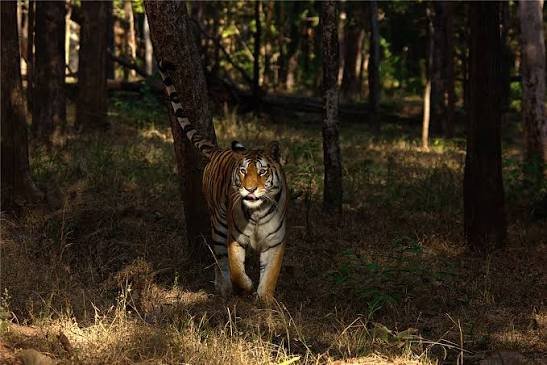
Wildlife includes Himalayan black bear, musk deer, blue sheep in the wider landscape, snow leopard and many birds, but most visitors are far more likely to see flowers, butterflies and smaller fauna.
How to Reach Valley of Flowers
By Road
Motorable road access reaches Govindghat. From there, local transport continues towards Pulna, after which visitors trek to Ghangaria.
By Train
Rishikesh and Haridwar are the main rail gateways, followed by a long mountain road journey to Govindghat.
By Air
Jolly Grant Airport near Dehradun is the nearest major airport. Travellers then continue by road through the Garhwal Himalayas.
Best Time to Visit Valley of Flowers
July and August are the strongest months for flowers, but they are also wet. September usually brings clearer mountain views and easier photography, though the floral density begins to decline.
June is attractive for fresh greenery and lingering snow on surrounding peaks, but the valley is not yet at full bloom.
How Much Time Is Needed?
A practical trip needs at least three to four days from Govindghat because travellers must trek to Ghangaria, visit the valley and return.
Anyone combining Hemkund Sahib should add another day rather than trying to cover both strenuous walks on the same day.
FAQs
Q. Can visitors stay overnight inside the Valley of Flowers?
No. Camping and overnight stay inside the National Park are prohibited. Visitors must return to Ghangaria the same day.
Q. When is the best flower bloom?
Late July through August is usually the strongest period, though monsoon timing can shift the peak from year to year.
Q. Is the trek suitable for beginners?
Yes for reasonably fit beginners, but altitude, rain and the return distance make it more demanding than an ordinary sightseeing walk.
Q. Can ponies enter the National Park?
The final protected valley experience is primarily on foot; porter and pony services are more relevant to the approach towards Ghangaria.
Q. Is Hemkund Sahib inside the National Park?
No. Hemkund Sahib is a separate high-altitude pilgrimage route from Ghangaria.
Q. Do visitors need a guide?
A guide is not always compulsory for the standard marked trail, but first-time trekkers may still find local guidance useful in poor weather.
Q. Can the park be visited in winter?
No. Heavy snow closes the high-altitude route and the regular tourism season runs only in the warmer months.
Q. Is one day from Joshimath enough?
No. The approach itself requires road travel and trekking. Ghangaria should be used as the base.