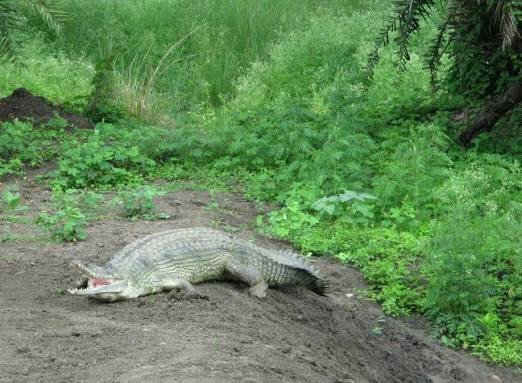
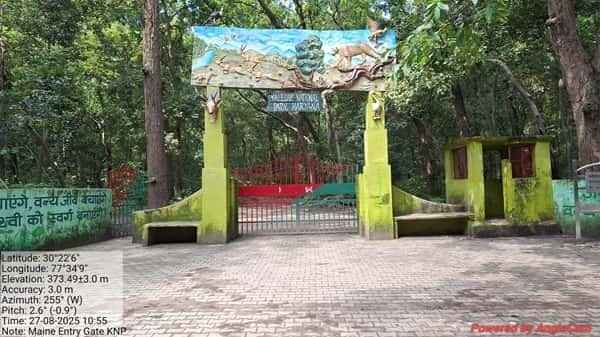
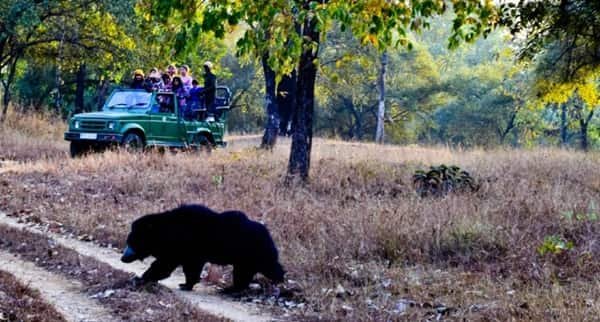
Nagarhole National Park, also widely written as Nagarahole National Park, is one of southern India’s richest wildlife landscapes. Spread across Mysuru and Kodagu districts in Karnataka, it lies between the Mysuru plateau and the Western Ghats and forms a vital part of the Nilgiri Biosphere Reserve. The park is famous for tigers, Asian elephants, leopards, dholes, gaur and the rare melanistic leopard popularly called the black panther.
The National Park and critical tiger habitat cover about 643.35-643.39 sq km, while the wider Nagarhole Tiger Reserve extends to 1,205.76 sq km when forest and non-forest buffer areas are included. Its ecological importance comes from its connectivity with Bandipur Tiger Reserve, Wayanad Wildlife Sanctuary and the wider Western Ghats landscape, allowing tigers and elephants to move across a large, continuous habitat.
For visitors, Nagarhole offers forest safaris from different sides of the reserve, most notably the Kakanakote or Kabini side, Nanachi near Kutta and Veeranahosahalli near Hunsur. An important current update applies in September 2026: Kakanakote safari is operating, while Nanachi Safari, Nanachi Jungle Stay and Veeranahosahalli safari are temporarily closed until further notice. The Forest Department also introduced revised safari tariffs from September 1, 2026, so older online prices of ₹600 for bus safari and around ₹1,000-₹1,100 for jeep safari are now outdated.
| Particulars | Details |
| Destination | Nagarhole National Park / Nagarahole Tiger Reserve |
| Where it is located | Mysuru and Kodagu districts, Karnataka |
| National Park / core area | About 643.35-643.39 sq km |
| Total Tiger Reserve area | 1,205.76 sq km including buffer |
| Current operating safari point | Kakanakote Gate, Kabini side |
| Temporarily closed safari points | Nanachi and Veeranahosahalli, until further notice |
| Kakanakote safari timings | 6:30 AM-9:30 AM and 3:00 PM-6:00 PM |
| Bus safari fee | Adult ₹1,000; child age 3-12 ₹500 |
| Jeep safari fee | Adult ₹1,500; child age 3-12 ₹750 |
| Camera fee | Lens above 200 mm: ₹1,770 including GST |
| Advance booking window | Opens 15 days ahead and closes 48 hours before visit |
| Best time to visit | October to May; November-February for pleasant weather |
| Recommended stay | 1-2 nights / 2 days |
Nagarhole National Park Timings
Safari timings depend on the entry gate. The currently operating Kakanakote Safari Gate on the Kabini side runs a three-hour morning safari from 6:30 AM to 9:30 AM and an afternoon safari from 3:00 PM to 6:00 PM.
Nanachi Safari normally follows a shorter two-hour schedule, with a morning session from 7:00 AM to 9:00 AM and an afternoon session from 3:00 PM to 5:00 PM. However, Nanachi and Veeranahosahalli are temporarily closed at present, so travellers should not plan around those gates until the reserve issues a reopening update.
Visitors are required to report at the safari point about 30 minutes before departure. Safari entry can also be affected by heavy rain, road conditions, wildlife movement or forest-management requirements, even when a booking has been confirmed.
Nagarhole National Park Ticket Cost
The Forest Department revised safari charges at Nagarhole from September 1, 2026. The new tariff applies to the principal safari centres, including Kakanakote, Veeranahosahalli and Nanachi whenever those gates are operational.
| Safari Type | Adult / Above 12 Years | Child 3-12 Years |
| Bus Safari | ₹1,000 per person | ₹500 per person |
| Jeep Safari | ₹1,500 per person | ₹750 per person |
For cameras with lenses above 200 mm, the current charge is ₹1,770 including GST. Smaller lenses below the notified threshold do not attract this particular long-lens charge. Visitors should carry the same original photo ID used during booking; foreign visitors are required to carry a valid passport.
The official booking system opens safari reservations 15 days in advance and closes them 48 hours before the visit. Because capacity is limited, weekend and holiday slots can disappear quickly.
Safari Gates and Zones
Kakanakote Gate – Kabini Side
Kakanakote is currently the most important visitor gateway because it is the safari point operating in early September 2026. It lies on the Kabini side of the reserve and provides a longer three-hour forest safari. The route passes through productive wildlife habitat associated with the Kabini landscape, where elephants, gaur, deer, dholes, leopards and tigers may be encountered.
Nanachi Gate – Kutta Side
Nanachi serves the Kodagu or Kutta side of Nagarhole and normally offers two-hour morning and afternoon safaris. It is convenient for travellers staying in South Coorg or around Kutta. The safari and related jungle-stay facility are temporarily closed until further notice at present.
Veeranahosahalli Gate – Hunsur Side
Veeranahosahalli is the most convenient side for many travellers approaching from Mysuru and Hunsur. It normally provides access to forest drives through the northern side of Nagarhole. The gate’s safari operation is also temporarily closed at present, so visitors should confirm reopening before travelling specifically for this entry point.
Jeep Safari vs Bus Safari
The bus safari is the lower-cost option and is suitable for families or larger groups. Seating capacity is higher and the vehicle follows an authorised route through the tourism zone. At the current tariff, it costs ₹1,000 for an adult and ₹500 for a child aged 3-12.
The jeep safari uses a smaller vehicle and generally offers a less crowded viewing experience. It is often preferred by wildlife photographers because there are fewer passengers and sightlines can be easier to manage. The current Forest Department tariff is ₹1,500 per adult and ₹750 per child.
Neither safari type gives visitors control over wildlife sightings. Nagarhole is a natural forest, so tigers, leopards and other animals decide where and when they appear. The smaller vehicle may improve comfort and viewing angles, but it does not guarantee more sightings.
Kabini Boat Safari
The Kabini backwaters provide a different wildlife experience from a road safari. Motorboat safaris along the reservoir can reveal elephants, gaur and deer at the water’s edge, along with crocodiles and a wide range of waterbirds and raptors.
Boat safaris are commonly associated with Jungle Lodges & Resorts’ Kabini River Lodge and may be included in accommodation packages rather than sold under the same tariff as the Forest Department bus or jeep safari. Travellers should therefore avoid comparing a resort package price directly with the standalone forest safari fee.
Wildlife at Nagarhole
Nagarhole supports an exceptional concentration of large mammals. Tiger, leopard and Asiatic wild dog coexist here, while elephants, gaur, sambar, chital, barking deer, four-horned antelope, wild boar and mouse deer form part of the herbivore and prey community.
The reserve is also celebrated for occasional sightings of melanistic leopards, popularly described as black panthers. These animals are not a separate species; the dark coat is a colour variation of the leopard. Sightings are rare and should be treated as a bonus rather than an expectation.
More than 300 bird species occur in the wider reserve according to National Tiger Conservation Authority material. Forest types change from drier deciduous woodland in the east to wetter and semi-evergreen vegetation toward the west, creating habitat for a wide range of birds, reptiles and smaller wildlife.
How to Reach Nagarhole National Park
From Mysuru
Mysuru is the most useful major city for reaching the reserve. The official booking portal lists Kakanakote at about 61 km from Mysuru, Veeranahosahalli at about 65 km and Nanachi at about 95 km. The correct road therefore depends on the safari gate printed on the booking.
From Madikeri and Coorg
Nanachi and Veeranahosahalli are convenient for travellers combining Nagarhole with Coorg when operating. The official portal lists Veeranahosahalli at about 70 km from Madikeri and Nanachi at about 85 km. Kakanakote is farther, at roughly 115 km from Madikeri.
By Air and Train
Mysuru has the closest useful railway connections and a regional airport. Travellers coming from farther away often fly to Bengaluru and continue by road or train to Mysuru before heading toward the reserve.
Best Time to Visit Nagarhole
November to February offers the most comfortable weather, with cool mornings and pleasant afternoon temperatures. This period is especially suitable for families and first-time visitors.
March to May is hotter and drier, but wildlife visibility can improve as animals spend more time near remaining water sources. The Kabini side is particularly well known for elephant activity during the dry season.
The monsoon turns the forest intensely green, although thick vegetation and wet tracks can make wildlife harder to see and may disrupt safari operations. Anyone travelling during heavy rain should keep plans flexible.
How Much Time Is Needed?
A single safari can fit into a half-day itinerary, but one or two nights near Nagarhole or Kabini provide a better experience. This allows visitors to take both a morning and an afternoon drive or combine a road safari with a Kabini backwater experience.
Wildlife enthusiasts often prefer multiple safaris because each drive differs according to light, weather and animal movement. Even so, more drives increase opportunity rather than guaranteeing a tiger, leopard or black panther sighting.
FAQs
Q. Is Nagarhole and Nagarahole the same national park?
Yes. Both spellings are used for the same protected area. Karnataka’s official tourism and tiger-reserve material commonly uses Nagarahole, while Nagarhole remains widely used in travel searches and older references.
Q. Is Kabini a separate national park?
No. Kabini is the river and reservoir landscape adjoining Nagarhole and Bandipur. The popular Kabini wildlife experience is largely associated with the southern side of Nagarhole Tiger Reserve and the backwaters.
Q. Is a black panther sighting common in Nagarhole?
No. Melanistic leopards occur in the landscape, but sightings are rare and unpredictable. Visitors should not choose a safari expecting to see one on demand.
Q. Can tourists use their own car for a forest safari?
No. Private vehicles cannot substitute for an authorised safari vehicle on tourist forest routes. Visitors must use the designated bus or jeep safari service.
Q. Which gate is best for visitors travelling now?
At present, Kakanakote on the Kabini side is the practical choice because its safari is running. Nanachi and Veeranahosahalli are temporarily closed until further notice.
Q. Is Nagarhole a good destination for elephants?
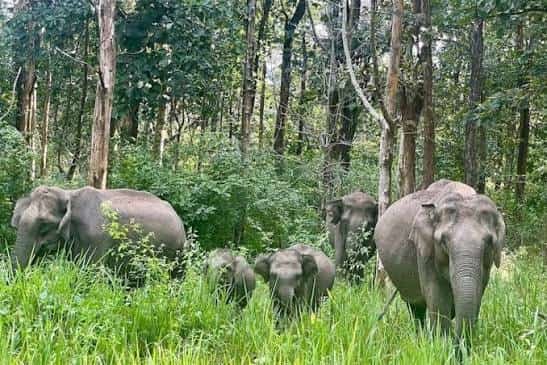
Yes. The reserve lies within one of the most important connected elephant landscapes in southern India. Elephants are among the more regularly encountered large mammals, particularly around productive grasslands and the Kabini side.
Q. Why are some Nagarhole safari prices online much lower?
Many travel pages still display tariffs that applied before September 1, 2026. The Forest Department has since raised the bus safari to ₹1,000 per adult and the jeep safari to ₹1,500 per adult.
Q. Can Nagarhole and Bandipur be combined in one trip?
Yes. The two reserves are part of the same larger Nilgiri wildlife landscape, but their safari gates, booking systems and tourism routes are separate. A two- or three-day itinerary can comfortably include both if travel is planned around confirmed safari slots.