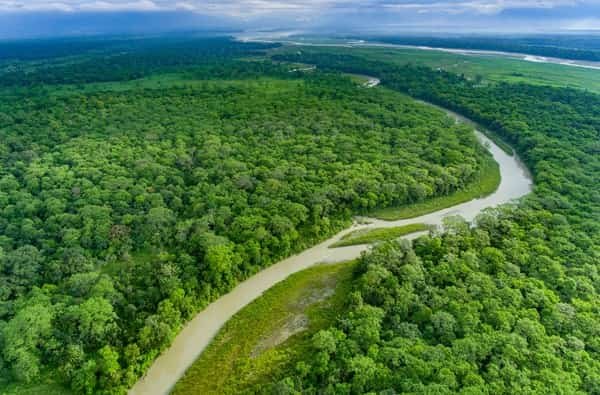
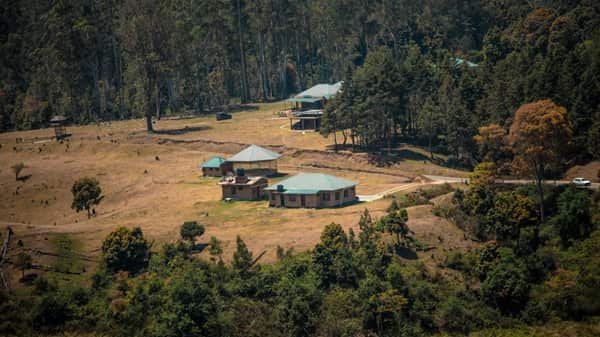
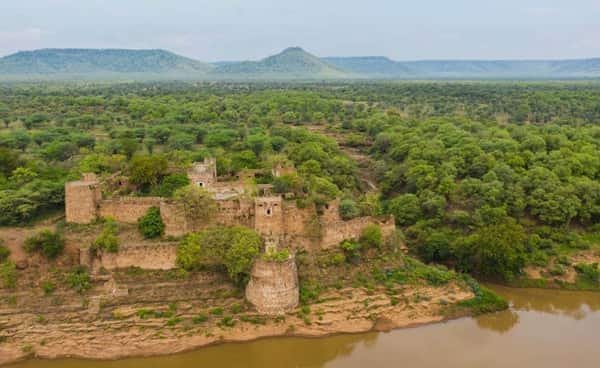
Bannerghatta National Park is one of Bengaluru’s most accessible wildlife destinations and an easy choice for families, school groups and travellers who want a nature-based day trip without leaving the city region. Located on Bengaluru’s southern side, the Bannerghatta landscape combines protected forest, rocky terrain and dry deciduous vegetation with organised wildlife attractions such as a zoo, safari, Butterfly Park and rescue facilities.
The National Park was notified in 1974 and forms an important wildlife landscape close to Bengaluru. The adjoining Bannerghatta Biological Park was later carved out of the National Park and is the part most tourists actually visit. It covers 731.88 hectares and is administered by the Zoo Authority of Karnataka. The Biological Park includes the zoo, safari, Butterfly Park and Rescue Centre and currently cares for more than 2,300 animals belonging to over 100 species.
This distinction is useful for visitors. Bannerghatta National Park is the larger protected forest area, while Bannerghatta Biological Park is the managed visitor complex where the main ticketed attractions are located.
| Particulars | Details |
| Destination | Bannerghatta National Park / Bannerghatta Biological Park |
| Where it is located | Bannerghatta, South Bengaluru, Karnataka |
| Visitor complex address | Bannerghatta, Bengaluru – 560083 |
| Distance from Vidhana Soudha | Around 26 km |
| Zoo timings | 9:30 AM to 5:00 PM |
| Safari timings | 10:00 AM to 4:30 PM |
| Butterfly Park timings | 9:30 AM to 5:00 PM |
| Weekly closing day | Tuesday |
| Zoo entry for adults | ₹120 |
| Non-AC Bus Safari + Zoo for adults | ₹370 weekday; ₹420 weekend/holiday |
| AC Bus Safari package for adults | ₹690 weekday; ₹740 weekend/holiday |
| Recommended visit duration | Around 4–6 hours |
| Best season | October to February |
Bannerghatta National Park Timings
The main tourist facilities at Bannerghatta Biological Park operate on different schedules.
| Attraction | Opening Hours |
| Zoo | 9:30 AM – 5:00 PM |
| Safari | 10:00 AM – 4:30 PM |
| Butterfly Park | 9:30 AM – 5:00 PM |
| Boating | 9:30 AM – 5:00 PM |
The entire visitor complex remains closed every Tuesday.
Visitors planning to cover the safari, zoo and Butterfly Park in the same trip should ideally arrive around opening time. Reaching between 9:30 AM and 10:30 AM gives families enough time to complete the safari without rushing through the remaining attractions later in the day.
Safari capacity is limited compared with ordinary zoo entry, so visitors who consider the safari their main priority should plan it before spending several hours inside the zoo.
Bannerghatta National Park Ticket Cost
The official visitor tariff currently in force at Bannerghatta Biological Park became effective from August 1, 2025.
Zoo and Butterfly Park Tickets
| Category | Adult | Child | Senior Citizen |
| Zoo only | ₹120 | ₹60 | ₹70 |
| Butterfly Park only | ₹50 | ₹30 | ₹30 |
| Zoo + Butterfly Park | ₹170 | ₹90 | ₹100 |
Visitors who want to see both the zoo and Butterfly Park can therefore choose the combined ticket instead of purchasing them separately.
Bus Safari Ticket Cost
| Category | Monday–Friday | Saturday, Sunday & Govt. Holidays |
| Non-AC Bus – Adult | ₹370 | ₹420 |
| Non-AC Bus – Child | ₹210 | ₹260 |
| Non-AC Bus – Senior Citizen | ₹260 | ₹310 |
| AC Bus – Adult | ₹690 | ₹740 |
| AC Bus – Child | ₹480 | ₹530 |
The Non-AC Bus Safari ticket includes zoo entry and safari.
The AC Bus Safari package includes the zoo, safari, Butterfly Park and camera fee, making it a more comprehensive option for visitors who intend to cover all the major attractions in one trip.
Private Safari Vehicle Cost
Families and groups looking for a more private experience can also book safari vehicles.
| Vehicle | Weekday | Weekend/Holiday |
| 4-seater EV Car | ₹3,200 | ₹3,500 |
| 6-seater Non-AC Jeep | ₹3,600 | ₹3,900 |
| 6-seater AC Jeep | ₹4,200 | ₹4,500 |
| 8-seater Non-AC Jeep | ₹4,600 | ₹5,100 |
| Innova / Scorpio | ₹5,700 | ₹6,200 |
A still camera costs ₹50, while a video camera costs ₹250 where the selected package does not already include the camera charge.
Battery-operated vehicles are available inside the zoo at ₹100 for adults and ₹50 for children. These can be useful because seeing the major zoo sections generally involves considerable walking.
Wildlife Safari
The safari is the biggest attraction at Bannerghatta for many visitors. Instead of viewing animals only from conventional zoo enclosures, visitors travel through large secured safari areas in protected buses or designated safari vehicles.
The safari includes separate herbivore, bear, leopard, lion and tiger sections.
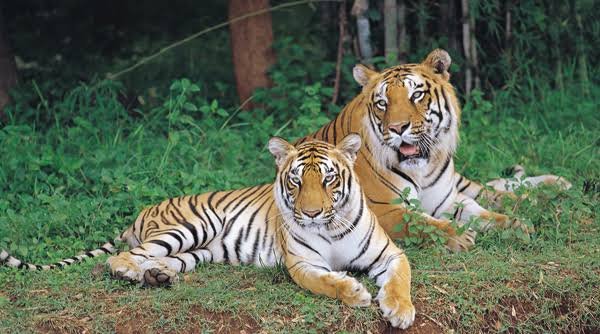
Animals that visitors may see include spotted deer, sambar, blackbuck, nilgai, gaur, sloth bears, leopards, lions and Royal Bengal tigers. Because the animals can move around within their respective areas, sightings and viewing distances may differ from one safari trip to another.
The Leopard Safari, inaugurated in June 2024, is one of the newer additions. Its terrain incorporates rocky and semi-deciduous features associated with the wider Bannerghatta landscape.
It is worth understanding that this experience is different from a wilderness safari in Bandipur, Nagarhole or another tiger reserve. At Bannerghatta, safari animals live in secured naturalistic enclosures, while visitors move through those zones inside protected vehicles.
Zoo at Bannerghatta
The zoo forms another major part of Bannerghatta Biological Park and contains mammals, birds and reptiles from different habitats.
Its role extends beyond public viewing. Conservation breeding, wildlife education, rescue, rehabilitation and animal welfare are also important parts of the park’s work.
The zoo is spread across a sizeable area, and visitors can expect to walk approximately 2–3 km if they explore most sections on foot. This makes it useful to allow at least a few hours rather than treating the zoo as a quick stop after the safari.
Wheelchairs, resting areas, toilets and battery-operated transport are available within the visitor complex. Families travelling with young children or senior citizens may find these facilities especially useful.
Butterfly Park
Bannerghatta Biological Park is home to India’s first Butterfly Park, giving visitors another attraction beyond large mammals and safari animals.
Spread across approximately 7.5 acres, the Butterfly Park includes a butterfly garden, conservatory, museum, research and breeding facilities, nursery, host plants and nectar gardens.
A butterfly trail runs through vegetation selected to support different butterfly species. The conservatory creates suitable conditions for butterflies while the interpretation areas explain their life cycle, habitat and ecological role.
The attraction is particularly useful for children and school groups because it combines a visually appealing experience with basic nature education.
Boating at Bannerghatta
Boating is also available within Bannerghatta Biological Park and can be added to the visit if time permits.
A row boat costs around ₹50 per person, while a two-seater pedal boat costs approximately ₹200 for the boat and a four-seater pedal boat around ₹400. A normal boating session lasts about 30 minutes.
Boating is not usually the main reason people visit Bannerghatta, but it can provide a relaxed break between the zoo and other attractions.
How to Reach Bannerghatta National Park
Bannerghatta Biological Park is located at Bannerghatta, Bengaluru – 560083, south of the main city area.
By Bus
BMTC buses connect the Bannerghatta area with several important parts of Bengaluru.
Bus services are available from areas such as:
- Kempegowda Bus Stand
- City Railway Station
- Shivajinagar
- City Market
- Brigade Road
Public transport can be economical, although travel time varies significantly depending on traffic.
By Car or Taxi
A private car or taxi is often the most convenient option for families.
Approximate distances include:
- 26 km from Vidhana Soudha
- 23 km from Brigade Road
- 28 km from Kempegowda Bus Stand and City Railway Station
- Around 60 km from Kempegowda International Airport
Bannerghatta Road is one of Bengaluru’s busy corridors, so journey time may be much longer during weekday peak hours and busy weekends.
Best Time to Visit Bannerghatta National Park
The period from October to February is generally considered the most comfortable for visiting Bannerghatta. Bengaluru’s relatively pleasant winter weather makes walking through the zoo and spending time outdoors easier.
March to May can be warmer, especially around midday. Visitors coming during these months may prefer an early start.
The monsoon brings greener surroundings and a different character to the landscape, although sudden rain can make outdoor sightseeing less convenient.
For travellers who have flexibility, weekdays are generally preferable to weekends and government holidays because crowds are usually lighter and safari tickets are cheaper.
How Much Time Is Needed?
A complete visit covering the safari, zoo and Butterfly Park normally requires around four to six hours.
Visitors concentrating mainly on the safari and selected zoo sections may finish sooner, while families that explore the zoo in detail, visit the Butterfly Park and add boating could easily spend most of the day inside the complex.
Starting early also reduces the risk of reaching the safari section too late after spending several hours elsewhere.
FAQs
Q. Is a tiger or lion sighting guaranteed during the Bannerghatta safari?
No particular animal sighting can be guaranteed. Lions, tigers, leopards and other animals move freely within their designated safari areas, so their location and visibility can change throughout the day.
Q. Is Bannerghatta safari similar to a safari in Bandipur or Nagarhole?
The experience is different. Bannerghatta uses large secured naturalistic safari enclosures containing free-ranging captive animals. Bandipur and Nagarhole are wilderness reserves where visitors search for completely wild animals across much larger forest landscapes.
Q. Is Bannerghatta manageable for senior citizens?
Yes, provided the trip is planned comfortably. Wheelchairs, seating areas and battery-operated vehicles are available, which can reduce the amount of walking required inside the zoo.
Q. Which attraction should visitors choose first if they have limited time?
The safari is generally the better attraction to complete first because seats are limited and safari operations end earlier than ordinary zoo visiting hours. The zoo can then be explored according to the time remaining.
Q. Is Bannerghatta a good place for a school educational trip?
Yes. The Biological Park has a strong wildlife-education role and provides opportunities for students to learn about animal behaviour, conservation, biodiversity and butterflies in a practical setting.
Q. Are safari animals kept in small cages?
No. Safari animals are housed in much larger secured naturalistic areas. Visitors travel through these zones in protected vehicles, while animals can move within their respective sections.
Q. Can the entire park be covered comfortably with young children?
It can be done, but trying to see every section quickly may become tiring. Families with small children usually have a better experience by prioritising the safari, selected zoo areas and Butterfly Park rather than rushing through every enclosure.
Q. Is Bannerghatta worth visiting only for the safari?
The safari is certainly the main attraction for many tourists, but the zoo and Butterfly Park make the destination more worthwhile as a half-day or full-day outing. Visitors interested in wildlife education may find the combined experience more rewarding than the safari alone.