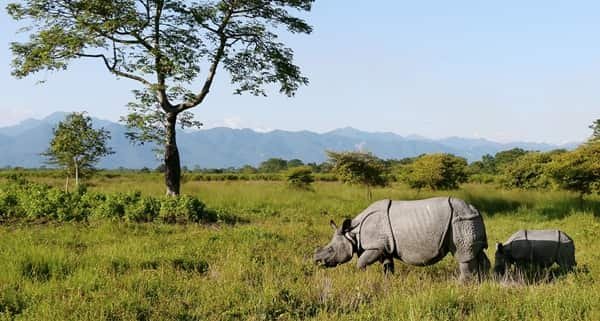
Rajaji National Park is one of the most accessible wildlife destinations in northern India, stretching across the Shivalik foothills close to Haridwar, Rishikesh and Dehradun. The landscape combines sal forest, riverine vegetation, grasslands, scrub and rocky seasonal streams, making it particularly important for Asian elephants as well as tigers, leopards, deer and a wide variety of birds.
The national park was created in 1983 by bringing together the former Rajaji, Motichur and Chilla wildlife sanctuaries. Today it forms the core of Rajaji Tiger Reserve, which was notified in 2015. The National Tiger Conservation Authority lists the national-park core at 819.54 sq km and the wider tiger reserve, including its buffer, at 1,075.17 sq km.
For tourists, Rajaji is different from a single-gate national park. Safari access is spread across several tourism zones and gates. Chilla is the best-known choice for first-time visitors because of its long forest circuit and strong elephant habitat, while Motichur and Ranipur provide different landscapes. Jhilmil Jheel, a nearby conservation reserve, is especially interesting for wetlands, swamp deer and winter birdlife.
| Particulars | Details |
| Destination | Rajaji National Park / Rajaji Tiger Reserve |
| Where it is located | Haridwar, Dehradun and Pauri Garhwal districts, Uttarakhand |
| National Park area | 819.54 sq km |
| Tiger Reserve area | 1,075.17 sq km including buffer |
| National Park formed | 1983 |
| Tiger Reserve notified | 2015 |
| Main safari season | 15 November to 15 June |
| Regular monsoon closure | 16 June to 14 November |
| Published Indian park permit | ₹1,200 for 1-6 persons |
| Published foreign park permit | ₹4,100 for 1-6 persons |
| Gypsy / jeep hire | Extra; paid separately |
| Popular tourism zones | Chilla, Motichur and Ranipur; other gates operate subject to current permission |
| Best known for | Asian elephants, tigers, leopards, sal forest and birdlife |
| Typical safari duration | About 2-3 hours; some Chilla circuits take around 3 hours |
| Best season | November to March for pleasant weather; April-May for warmer wildlife viewing |
Rajaji National Park Safari Timings
Regular jungle safaris operate twice a day, in the morning and afternoon/evening, with timings changing through the season as sunrise and sunset shift. The reserve’s published visitor information places the main season between 15 November and 15 June.
As a practical guide, winter safaris generally begin around 6:30 AM, with morning activity ending by about 10:00-10:30 AM. Afternoon entry starts around 1:30-2:00 PM and the forest closes by evening. From February onward the morning shift begins earlier, and by April-May entry can start around 5:30-6:00 AM, with the evening exit extending to about 7:00 PM.
Exact gate-entry and exit times can differ by date and zone. The time printed on the permit should therefore be treated as final. Visitors should reach the selected gate well before the reporting time because late entry may not be allowed.
| Season period | Typical published entry/exit pattern |
| 15 Nov – 15 Feb | Morning: about 6:30 AM to 10:00 AM; Evening: about 1:30 PM to 5:30 PM |
| 16 Feb – 15 Apr | Morning: about 6:00 AM to 9:30 AM; Evening: about 2:00 PM to 6:00 PM |
| 16 Apr – 15 Jun | Morning: about 5:30 AM to 9:00 AM; Evening: about 3:00 PM to 7:00 PM |
Jhilmil Jheel follows a different seasonal calendar and is generally kept open longer, from around 15 October to 30 June. Visitors interested specifically in Jhilmil should confirm its current opening notice separately from the main Rajaji safari calendar.
Rajaji National Park Ticket and Safari Cost
The Rajaji Tiger Reserve tariff page currently linked by the National Tiger Conservation Authority publishes park entrance charges on a group basis rather than as a simple adult-per-person rate. It lists ₹1,200 for an Indian group of one to six visitors and ₹4,100 for a foreign group of one to six visitors.
The same tariff states that Gypsy or safari-vehicle charges are extra. Pickup and drop charges are also separate and depend on the local transporter. This means the forest permit is not the complete cost of a jeep safari.
Because vehicle hire can change and different gates may have different local arrangements, visitors should check the final vehicle amount at the time of booking instead of relying on an old fixed-price package advertised elsewhere.
| Charge | Current published information |
| Park entrance – Indian visitors | ₹1,200 for 1-6 persons |
| Park entrance – Foreign visitors | ₹4,100 for 1-6 persons |
| Gypsy / safari vehicle | Extra |
| Pickup / drop | Extra, as per local transporter |
| Camera or special activity fees | Confirm at the selected gate or during booking |
Chilla Safari Zone
Chilla is the most recognised tourism zone of Rajaji and is a strong choice for a first safari. Its circular route runs through old sal forest, open grassland, riverine patches and seasonal streams, giving visitors a good sense of the Shivalik-Terai landscape.
The Chilla circuit is roughly 36 km and usually takes around three hours, depending on the route and forest conditions. Asian elephants are the signature attraction, while sambar, chital, barking deer, wild boar, langurs and occasional leopards or tigers may also be encountered.
The zone is also rewarding for birdwatchers. Great hornbill, pied hornbill, kingfishers, woodpeckers, junglefowl and raptors are among the birds associated with the wider reserve.
Motichur, Ranipur and Other Safari Areas
Motichur lies close to the Haridwar-Rishikesh corridor and is known for dense sal forest and elephant movement. It can be convenient for travellers staying around Haridwar or Rishikesh, although actual route availability should be checked when booking.
Ranipur, on the Haridwar side, has comparatively drier mixed forest and scrub in parts of its landscape. It is known for elephant, deer and leopard habitat and provides a different experience from the greener Chilla side.
The reserve also has tourism access associated with the Dehradun side, including areas around Asarori and Mohand. Gate operations can change according to forest-management decisions, so visitors should choose their zone from the live availability rather than assuming every gate operates every day.
Jhilmil Jheel Conservation Reserve
Jhilmil Jheel is often mentioned alongside Rajaji safari zones, but it is a separate conservation reserve adjoining the broader Rajaji landscape. Its marshy grasslands and wetlands create a very different experience from the sal forests of Chilla and Motichur.
The area is particularly important for swamp deer and winter birdlife. Migratory birds become a major attraction between late autumn and early spring, making Jhilmil a useful option for visitors who want more than a conventional big-mammal safari.
Its season normally extends later into June than the principal Rajaji zones, but visitors should confirm current access before travelling specifically for Jhilmil.
Wildlife in Rajaji National Park
Rajaji is one of northern India’s important Asian elephant landscapes. Herds use the forests and river corridors across the reserve, and elephant encounters are one of the main reasons people choose Rajaji over a more tiger-focused destination.
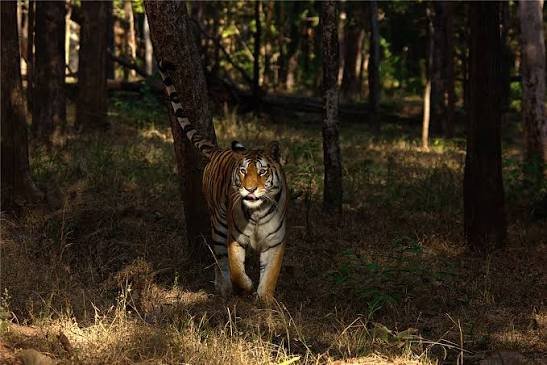
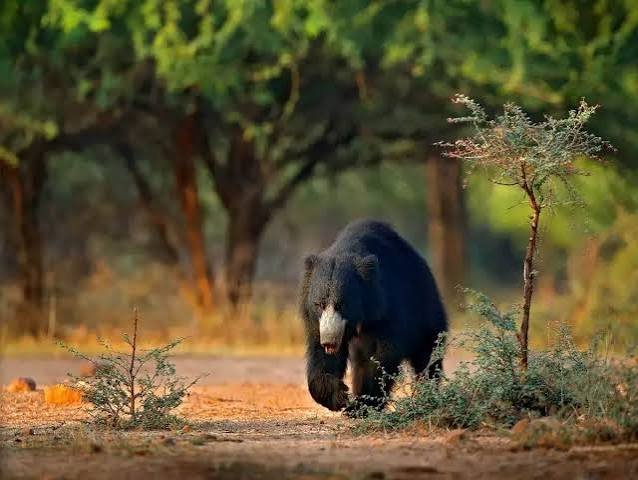
Tigers are present and the reserve has gained greater importance for tiger conservation since becoming a tiger reserve in 2015. Leopards, sloth bears, Himalayan black bears, striped hyenas, jungle cats and smaller carnivores are also part of the ecosystem. Herbivores include chital, sambar, barking deer, nilgai, wild boar and goral in suitable hilly terrain.
A tiger sighting should never be treated as guaranteed. Dense woodland and rugged terrain can make animals difficult to see, while elephant, deer and bird sightings often form a more consistent part of the experience.
Birdwatching at Rajaji
Rajaji is an important birding area because it sits where the Himalayan foothills meet the Gangetic plains. The reserve’s own information records more than 300 bird species, including residents as well as winter, local and altitudinal migrants.
Great hornbill is one of the reserve’s flagship birds. Peafowl, junglefowl, parakeets, woodpeckers, kingfishers, barbets, flycatchers, thrushes, warblers and several raptors can also be seen. Wetlands and river habitats add ducks and other migratory waterbirds during winter.
For birdwatchers, the cooler months from November to March are generally the most rewarding, especially when a Rajaji forest safari is combined with Jhilmil Jheel or nearby wetland habitat.
How to Reach Rajaji National Park
Haridwar, Rishikesh and Dehradun are the main gateways to Rajaji. The best arrival point depends on the safari gate selected, so travellers should avoid choosing a hotel solely by the name ‘Rajaji National Park’ without checking the gate location.
By Road
Rajaji is easily accessible by road from Haridwar, Rishikesh and Dehradun. Chilla and Motichur are convenient for the Haridwar-Rishikesh side, while some western gates are easier from Dehradun. The reserve’s published information places Rajaji about 265 km from Delhi by road, although present journey time depends heavily on traffic and the exact gate.
By Train
Haridwar Junction is the most useful railway station for Chilla, Motichur and Ranipur-side visits. Dehradun is another major railhead for travellers using western or Dehradun-side entry points. Rishikesh also has rail connectivity, but train choice should be checked against the exact safari gate and reporting time.
By Air
Jolly Grant Airport near Dehradun is the nearest airport. The reserve’s visitor information places it about 30 km from Motichur Gate. Road transfer time varies according to the chosen gate and traffic between Dehradun, Rishikesh and Haridwar.
Best Time to Visit Rajaji National Park
November to February is the most comfortable period for most travellers. The weather is cooler, visibility is pleasant and winter is particularly good for birdwatching. Early-morning safaris can be cold, so warm clothing is useful in December and January.
March to May becomes warmer, but serious wildlife visitors may still prefer this period. As temperatures rise, animals may concentrate more around water and open areas, while the longer evening light allows later safari exits.
Regular safari tourism closes during the monsoon, broadly from mid-June to mid-November. The forest becomes extremely green during this period, but heavy rain, swollen seasonal streams and soft tracks make standard jungle drives unsuitable.
How Much Time Is Needed?
A single Rajaji safari generally requires about three to four hours once reporting, permit formalities and the drive itself are included. Visitors staying in Haridwar or Rishikesh can therefore fit one safari into a half-day plan.
Wildlife enthusiasts should consider two safari shifts or two different zones. A Chilla safari combined with another zone or Jhilmil Jheel provides a better understanding of how varied the Rajaji landscape is and reduces the pressure to judge the entire park by one drive.
FAQs
Q. Is Rajaji National Park mainly known for tigers?
Rajaji is a tiger reserve, but its strongest wildlife identity is arguably the Asian elephant. Tigers and leopards are present, yet elephant herds, deer, birds and the Shivalik forest landscape are often a more dependable part of a safari.
Q. Which Rajaji safari zone is best for a first-time visitor?
Chilla is generally the most straightforward choice because it has a long established safari circuit, varied habitat and good opportunities for seeing elephants and other large mammals.
Q. Can Rajaji be visited as a half-day trip from Haridwar or Rishikesh?
Yes. Its proximity to both towns makes a single morning or evening safari practical. Visitors should still allow extra time for reaching the correct gate and completing entry formalities.
Q. Is Jhilmil Jheel part of Rajaji National Park?
Jhilmil Jheel is a separate conservation reserve within the wider Rajaji landscape. It is commonly combined with a Rajaji trip because of its wetland habitat, swamp deer and birdlife.
Q. Are tiger sightings common in Rajaji?
Tigers occur in the reserve, but sightings are unpredictable. Dense sal forest and rugged terrain can hide animals easily, so a safari should not be planned around a guaranteed tiger encounter.
Q. Is Rajaji suitable for birdwatchers?
Yes. More than 300 bird species are recorded from the reserve, and the meeting of Himalayan foothill, river and plains habitats creates strong bird diversity. Winter is especially rewarding.
Q. Why should visitors check the gate before booking a hotel?
Rajaji has multiple entry points spread around Haridwar, Rishikesh and Dehradun. A hotel that is close to one gate may be inconvenient for another, particularly for an early-morning safari.