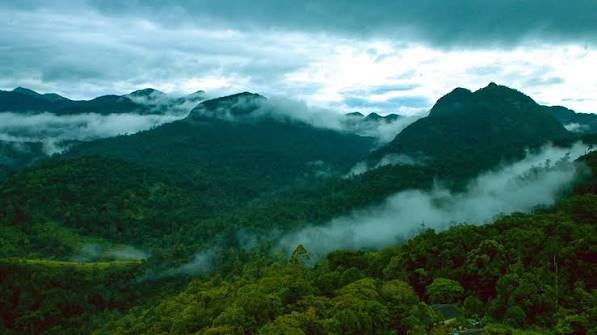
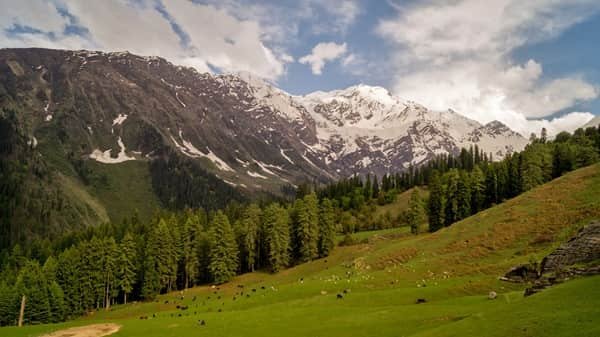
Nanda Devi National Park is one of India’s most spectacular and tightly protected Himalayan wilderness areas. Located in Chamoli district of Uttarakhand, the park surrounds the Nanda Devi massif and is dominated by Nanda Devi, India’s second-highest mountain at about 7,817 metres. Deep gorges, glaciers, alpine meadows, high ridges and near-vertical mountain walls create a natural sanctuary that remained extremely difficult to enter until the twentieth century.
The National Park was established in 1982 and became a UNESCO World Heritage Site in 1988. In 2005, the World Heritage property was expanded to include the neighbouring Valley of Flowers National Park under the combined name Nanda Devi and Valley of Flowers National Parks. UNESCO currently lists Nanda Devi National Park at 62,460 hectares, or about 624.60 sq km. The park also forms a core zone of the much larger Nanda Devi Biosphere Reserve.
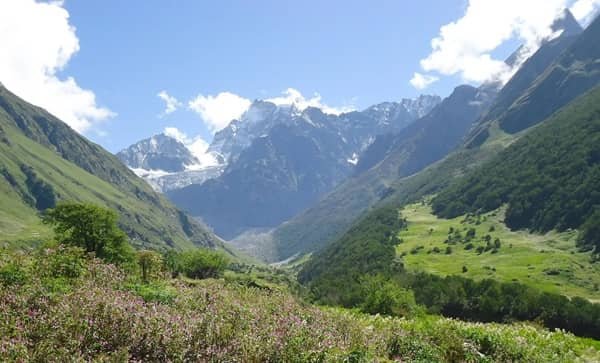
Visitors should understand that Nanda Devi is not a conventional national park with roads, safari jeeps or casual walk-in tourism. Access is highly regulated because of its fragile high-altitude ecosystem. The main visitor experience is trekking through limited approved routes in the outer sanctuary and buffer landscape, particularly from the Lata and Tolma side towards Dharansi. Special permission is required, and access to the sensitive inner sanctuary remains heavily restricted.
| Particulars | Details |
| Destination | Nanda Devi National Park |
| Where it is located | Chamoli district, Uttarakhand |
| National Park area | About 624.60 sq km |
| Established | 1982 |
| UNESCO status | World Heritage Site since 1988; extended with Valley of Flowers in 2005 |
| Highest landmark | Nanda Devi peak, about 7,817 metres |
| Main visitor activity | Regulated trekking and community-based ecotourism |
| Jeep safari | Not available |
| Public visiting season | Generally May to October |
| Permit requirement | Special Forest Department permission required for regulated routes |
| 2026 permit booking | Online registration system introduced for trekking routes under the Nanda Devi National Park Division |
| Current ticket/permit cost | Route-specific; confirm through the Forest Department/official booking system |
| Main trekking gateway | Lata village / Joshimath-Jyotirmath area |
| Best trekking periods | May-June and September-October |
| Recommended duration | 5-7 days for a regulated Nanda Devi outer-sanctuary trek |
| Nearest major airport | Jolly Grant Airport, Dehradun |
| Nearest major railheads | Rishikesh and Haridwar |
Nanda Devi National Park Timings
Nanda Devi does not operate with fixed daily gate hours like a zoo or a road-based tiger reserve. The Government of India’s Incredible India portal lists the general visitor season as May to October. Actual trekking movement is governed by permits, weather, daylight, route condition and instructions issued by the Nanda Devi National Park Division.
The most practical periods for the outer-sanctuary trek are usually May to June and September to October. July and August bring heavy monsoon rain, landslides and slippery mountain trails, while winter snow makes many high-altitude routes difficult or inaccessible.
Trekkers are expected to move according to the itinerary approved in their permit and with the required guide or authorised support team. Overnight movement, camping locations and daily progress are controlled much more strictly than at ordinary trekking destinations.
Nanda Devi National Park Ticket Cost
There is no simple walk-in entry ticket comparable with those at many national parks. Nanda Devi uses a regulated permit system because only limited trekking routes are open to visitors, and the amount payable can depend on nationality, route, group size, guide requirements, camping and other Forest Department conditions.
For 2026, the Nanda Devi National Park administration moved towards an online registration system for trekking routes under its jurisdiction. However, a clear consolidated 2026 public tariff for the restricted Nanda Devi core-zone trek is not presently displayed on the main central or state tourism pages.
For this reason, travellers should not rely on old online figures for Indian or foreign visitor fees. The correct amount should be taken from the Forest Department or official registration portal when selecting the trek. Guide charges, camping costs, porter or support services and transport from Joshimath are separate from the forest permit unless a package specifically includes them.
This is an important distinction because many commercial trekking websites quote a package cost and describe it as the “Nanda Devi ticket.” A multi-day trekking package can include accommodation, meals, transport, guides, permits and staff, while the Forest Department permit itself is only one component of the total trip cost.
How Visitors Enter Nanda Devi National Park
The traditional gateway for the regulated Nanda Devi outer-sanctuary trek is Lata village, roughly 25 km from Joshimath along the Niti-Malari road. Tolma and nearby villages are also associated with trekking access and community-based tourism.
The park reopened for limited ecotourism in the early 2000s after being closed to general tourism for many years because of ecological damage. Modern access remains intentionally limited. Visitors typically trek through the outer sanctuary towards high meadows such as Lata Kharak and Dharansi rather than entering the extremely sensitive inner basin without special scientific or management permission.
The route is physically demanding, reaches high altitude and involves several days in remote terrain. It should not be treated as a casual day trek.
Dharansi and the Outer Sanctuary Trek
Dharansi is one of the best-known permitted destinations associated with Nanda Devi National Park. The trek provides sweeping views of the sanctuary wall and surrounding Himalayan peaks without unrestricted access to the inner sanctuary.
A typical journey starts from the Lata side and climbs through forest and high-altitude meadows towards Lata Kharak, Saini Kharak and Dharansi. Depending on the approved itinerary, the entire trek may take five to seven days including acclimatisation and return.
The route is generally rated moderate to difficult because of sustained climbs, high altitude and remote conditions. Good fitness, acclimatisation and an experienced guide are essential. Weather can change quickly even during the normal trekking season.
Why Access Is So Restricted
Nanda Devi’s strict tourism rules are closely linked to its conservation history. Mountaineering and trekking activity increased sharply in the decades after the sanctuary became internationally known, resulting in litter, vegetation damage and pressure on fragile alpine habitats.
The inner sanctuary was closed to general adventure activity in 1983. UNESCO notes that this low level of human use has helped preserve natural processes and maintain exceptionally undisturbed habitat. Scientific expeditions are conducted under controlled conditions to monitor the status of wildlife, vegetation and glaciers.
Today, community-based ecotourism is permitted only in limited areas. The objective is to allow visitors to experience the landscape without returning to the heavy pressure seen before the closure.
Wildlife at Nanda Devi
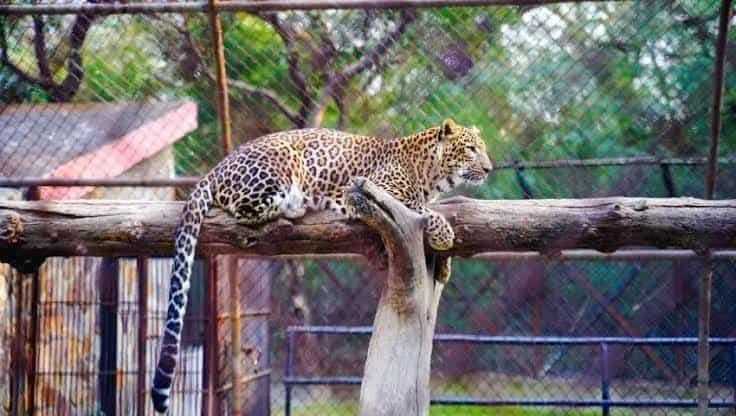
Nanda Devi National Park protects some of the most important high-altitude wildlife habitat in the western Himalaya. Snow leopards occur in the landscape, although visitors should not expect to see one during an ordinary trek.
Other notable mammals include Himalayan musk deer, bharal or blue sheep, Himalayan tahr, Asiatic black bear and brown bear. UNESCO considers the park especially important for its populations of threatened mountain mammals and the relatively high abundance of wild ungulates in the protected basin.
Birdlife includes Himalayan and high-altitude species associated with alpine meadows, cliffs and forest. The wider Nanda Devi Biosphere Reserve lies within the Western Himalayas Endemic Bird Area and supports several restricted-range species.
Nanda Devi Peak and the Rishi Ganga Gorge
Nanda Devi rises to about 7,817 metres and is the second-highest mountain entirely within India. The mountain stands inside a ring of high peaks that forms the famous Nanda Devi Sanctuary.
Access to this natural basin is controlled by formidable terrain. The Rishi Ganga Gorge cuts through the surrounding mountain wall and is regarded as one of the deepest gorges in the world. Eric Shipton and H.W. Tilman pioneered a route through the gorge in 1934, opening the sanctuary to modern exploration.
Two years later, Tilman and N.E. Odell completed the first ascent of Nanda Devi, one of the landmark achievements of pre-war Himalayan mountaineering.
Nanda Devi and Valley of Flowers: Are They the Same?
No. Nanda Devi National Park and Valley of Flowers National Park are two separate protected areas, although UNESCO manages them together as a serial World Heritage property and both form core zones of the Nanda Devi Biosphere Reserve.
Valley of Flowers is far easier for ordinary visitors to access and has a well-defined tourist trail from Ghangaria. Nanda Devi National Park is more rugged and much more tightly controlled. A Valley of Flowers permit does not provide access to the restricted Nanda Devi sanctuary.
How to Reach Nanda Devi National Park
By Road
Joshimath, now officially known as Jyotirmath, is the main base for reaching the Nanda Devi side of the biosphere reserve. From Joshimath, visitors continue towards Lata and other Niti Valley villages by road before beginning the trek.
By Train
Rishikesh and Haridwar are the most useful major railway gateways. From either city, travellers must continue by road through the Garhwal Himalayas towards Joshimath. The journey is long and should normally be treated as a full travel day.
By Air
Jolly Grant Airport near Dehradun is the nearest major airport. From the airport, road travel to Joshimath takes several hours and can be affected by mountain traffic, weather and landslides.
Best Time to Visit Nanda Devi National Park
May and June are among the best months for trekking because snow begins to retreat from many routes and the monsoon has not yet reached full strength. Alpine vegetation also starts to revive during this period.
September and October are equally attractive after the monsoon, with clearer skies and excellent mountain visibility. Nights become progressively colder as October advances.
Peak monsoon is not the best time for the main Nanda Devi trek because the Garhwal Himalayas are prone to heavy rainfall, landslides and swollen streams. Winter brings snow and severe cold to higher elevations.
How Much Time Is Needed?
Nanda Devi is not a half-day or one-day sightseeing destination. A proper outer-sanctuary experience generally needs at least five to seven days once trekking, acclimatisation and return are included.
Travellers should also keep one or two buffer days in a wider Uttarakhand itinerary because road closures and mountain weather can delay transport. Anyone with only a single day near Joshimath is better suited to nearby viewpoints or shorter local excursions rather than attempting to enter the park.
FAQs
Q. Can tourists freely enter the inner Nanda Devi Sanctuary?
No. The inner sanctuary remains under very strict protection. Ordinary visitors are limited to approved trekking routes and areas covered by their permit.
Q. Is there a jeep safari in Nanda Devi National Park?
No. Nanda Devi has no conventional jeep, bus or Canter safari. The visitor experience is based on regulated trekking in a remote high-altitude landscape.
Q. Is Nanda Devi National Park suitable for first-time trekkers?
The main permitted routes are physically demanding and reach high altitude. A person with no trekking experience should train beforehand and use a qualified guide rather than treating it as a beginner sightseeing walk.
Q. Can the Nanda Devi peak be climbed by ordinary tourists?
No. Mountaineering and adventure activity in the inner sanctuary are heavily restricted for conservation reasons. A trekking permit does not provide permission to climb Nanda Devi.
Q. Is Valley of Flowers entry included with a Nanda Devi permit?
No. Valley of Flowers is a separate national park with its own entry system and access route from Ghangaria.
Q. Why is Nanda Devi important to UNESCO?
UNESCO recognises the park for both exceptional Himalayan scenery and biodiversity. Its remote basin protects threatened species such as snow leopard and Himalayan musk deer and preserves largely undisturbed natural processes.
Q. Can Nanda Devi be visited in September?
Yes, September is usually one of the better trekking periods after the main monsoon, provided the Forest Department has opened the route and road conditions are safe.
Q. Do visitors need a local guide?
Regulated trekking in the Nanda Devi landscape is conducted under permit conditions and guided access. Travellers should arrange the required guide and support through the official or authorised system rather than attempting independent entry.