National Zoological Park, commonly called Delhi Zoo, is one of the capital’s best-known family attractions and a convenient place to see Indian and exotic wildlife without travelling outside the city. It stands on Mathura Road near Purana Qila and Sunder Nagar, only a short distance from India Gate and several central Delhi landmarks. The large, tree-filled campus uses open enclosures, moats, ponds and walking trails to create a greener and more natural setting than a conventional compact zoo.
The zoo was formally inaugurated on November 1, 1959. It was initially known as Delhi Zoo and received the name National Zoological Park in 1982, reflecting its role as a model zoo for the country. The park covers about 188.62 acres and functions under the Ministry of Environment, Forest and Climate Change, Government of India. Apart from recreation, its work includes conservation education, captive breeding, animal care and public awareness about wildlife.
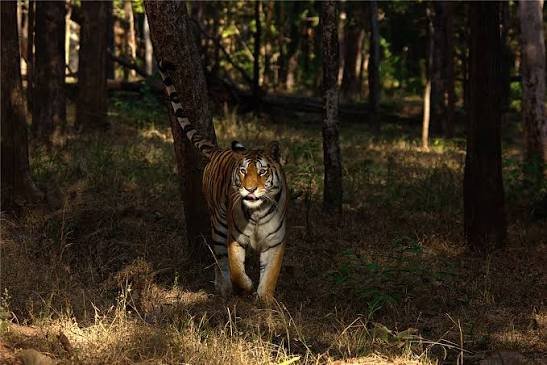
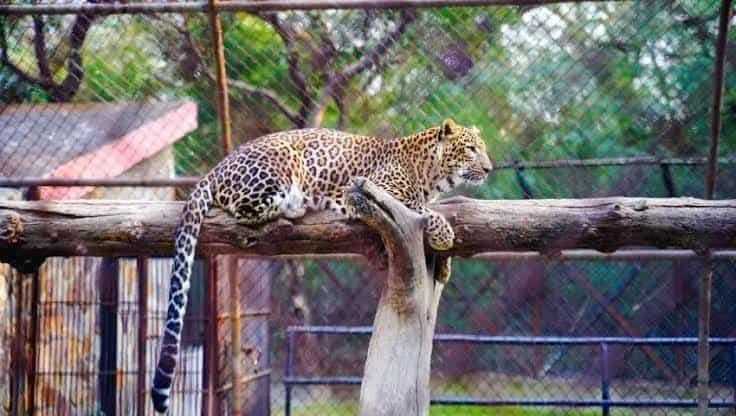
For visitors, the main advantages are its central location, relatively affordable entry fee and broad range of animals. Royal Bengal tigers, Asiatic lions, one-horned rhinoceros, elephants, leopards, bears, primates, deer, hippos and many bird and reptile species are among the animals associated with the collection. Because the grounds are extensive, allowing several hours gives a much better experience than treating it as a short stop.
| Particulars | Details |
| Destination | National Zoological Park (Delhi Zoo) |
| Where it is located | Mathura Road, near Sunder Nagar and Purana Qila, New Delhi |
| Official address | National Zoological Park, Mathura Road, New Delhi – 110003 |
| Year established | 1959 |
| Approximate area | 188.62 acres |
| Summer timing | 8:30 AM – 5:30 PM |
| Winter timing | 9:00 AM – 5:00 PM |
| Weekly closing day | Friday |
| Indian adult entry | ₹80 |
| Indian child entry (5–12 years) | ₹40 |
| Senior citizen entry (60+) | ₹40 |
| Recommended visit duration | Around 3–5 hours |
| Best season | October to March |
National Zoological Park Delhi Timings
The National Zoological Park follows seasonal opening hours, which is useful to check before planning a visit.
| Season | Zoo Timing | Booking Closes |
| Summer: 1 April – 15 October | 8:30 AM – 5:30 PM | 5:00 PM |
| Winter: 16 October – 31 March | 9:00 AM – 5:00 PM | 4:30 PM |
The zoo remains closed every Friday. Special temporary closures can also be announced for administrative, animal-health or other reasons, so visitors travelling on a fixed date should check the latest official notice before leaving home.
An early visit is usually more comfortable, particularly during Delhi’s warmer months. It also gives families more time to walk through the major animal sections before the afternoon heat or closing time becomes a constraint.
National Zoological Park Delhi Ticket Cost
The official entry tariff is divided into Indian visitors, foreign visitors from SAARC countries and other foreign visitors.
Entry Tickets for Indian Visitors
| Category | Ticket Cost |
| Adult | ₹80 per person |
| Child, 0–5 years | Free |
| Child, 5–12 years | ₹40 per person |
| Senior citizen, 60 years and above | ₹40 per person |
Entry Tickets for Foreign Visitors
| Category | SAARC Countries | Other Foreign Visitors |
| Adult | ₹200 | ₹400 |
| Child, up to 5 years | Free | Free |
| Child, 5–12 years | ₹100 | ₹200 |
Concessional rates are also available for organised educational tours from recognised schools, colleges, universities and other educational institutions. The zoo’s official booking portal supports ticket booking and visitors should retain the ticket or booking message for entry.
Battery-Operated Vehicle Charges
The zoo is large enough that a full walking visit can become tiring for young children, older visitors or anyone with limited mobility. Battery-operated vehicles are therefore available on a paid basis.
| Option | Current Authorised Rate |
| Adult | ₹93 per person |
| Child, 5–12 years | ₹53 per person |
| Child below 5 years | Free |
| Small 8–10 seater vehicle | ₹533 per trip |
| 14-seater vehicle | ₹1,065 per trip |
Parking Charges
| Vehicle | Parking Charge |
| Truck / Bus | ₹264 |
| Car / Auto / Van / Taxi | ₹66 |
| Two-wheeler | ₹40 |
| Cycle | ₹8 |
Still photography for ordinary visitors is permitted without a camera charge. Commercial documentary and feature-film shooting, however, is subject to separate permissions and fees.
Animals and Major Attractions
The animal collection is the main reason to visit. The mammal section includes several of India’s most recognisable species, such as Royal Bengal tiger, Asiatic lion, leopard, one-horned rhinoceros, Asiatic elephant, sloth bear, gaur, blackbuck, swamp deer and chinkara. Other animals listed by the zoo include chimpanzees, hamadryas baboons, hippopotamus, jaguar and different deer and monkey species.
Birdlife and reptiles add variety to the visit, while the landscaped ponds and mature vegetation also attract free-ranging birds and smaller wildlife. The experience is therefore not limited to moving from one large-animal enclosure to another. Visitors interested in nature photography, birds or animal behaviour can spend considerably more time in the quieter parts of the grounds.
Animal visibility naturally varies. Some species may rest in shaded or indoor areas, especially during hot afternoons, so seeing every animal on a single visit should not be treated as guaranteed.
Historic Setting and Zoo Layout
The National Zoological Park is also interesting for its design history. The site between Purana Qila and Humayun’s Tomb was selected in the 1950s, and the development plan was influenced by modern zoo ideas of that period, including open moat enclosures. By the end of 1959, major roads, waterways, ponds, fencing, animal houses and landscaped areas had been developed over the site.
This spacious layout remains an important part of the visitor experience. The zoo is not a small collection that can be crossed in a few minutes; it involves long walking stretches between animal zones. Comfortable footwear and a realistic plan for the day make the visit much easier, especially for families with children.
Visitor Facilities
The zoo provides drinking-water points, washrooms, resting benches, directional signs, a cloakroom and parking facilities. Wheelchairs for visitors with disabilities are available free of cost, and pram service for babies is also provided. First-aid arrangements are available at several locations inside the premises.
Visitors should note that outside eatables are not permitted inside the zoo, except milk for infants. Polythene bags, tobacco and alcoholic products, inflammable materials, pets, weapons and sharp objects are also prohibited. Drinking water and selected refreshments are available at designated points.
How to Reach National Zoological Park Delhi
The zoo’s central location on Mathura Road makes it accessible from most parts of Delhi by metro, taxi, bus and private vehicle.
By Metro
The official zoo guide lists Supreme Court, Khan Market and Jawaharlal Nehru Stadium metro stations at roughly 2 km from the zoo. From the station, visitors can take an auto-rickshaw or taxi for the final stretch.
By Train and Bus
New Delhi Railway Station is about 6 km away according to the zoo’s visitor information, while Old Delhi Railway Station is around 11 km away. Sarai Kale Khan Bus Terminal is about 5 km from the zoo. DTC buses also operate on routes that pass towards the zoo and Mathura Road area.
By Car or Taxi
A car or taxi is convenient for families and visitors carrying children. The zoo has its own parking facility near the entrance. Traffic around central Delhi can become heavy on weekends, holidays and during peak commuting hours, so travel time should be planned accordingly.
Best Time to Visit National Zoological Park Delhi
October to March is generally the most comfortable period because Delhi’s cooler weather makes several hours of walking much easier. Winter mornings can be pleasant, although foggy days occasionally reduce visibility and make early travel slower.
April to June can be very hot, particularly around midday. During the warmer season, arriving close to opening time is preferable. The monsoon months bring greener surroundings but may involve humidity and sudden rain.
Weekdays other than Friday usually offer a calmer experience than busy Sundays and public holidays. Visitors who want to spend time observing animals rather than moving through crowds may therefore prefer a weekday morning.
How Much Time Is Needed?
Around three to five hours is a practical allowance for most first-time visitors. A family using a battery vehicle and concentrating on major animal enclosures may complete the visit faster, while visitors exploring the zoo mainly on foot can easily spend half a day.
The park’s size is easy to underestimate. Trying to see every enclosure quickly can make the visit tiring, especially with children. A better approach is to allow enough time for the major mammals, bird and reptile sections, rest stops and the longer walking stretches between exhibits.
FAQs
Q. Is National Zoological Park the same as Delhi Zoo?
National Zoological Park is the official name of the attraction widely known as Delhi Zoo. It opened in 1959 as Delhi Zoo and was renamed National Zoological Park in 1982.
Q. Which metro station is closest to Delhi Zoo?
The zoo’s official visitor guide lists Supreme Court, Khan Market and Jawaharlal Nehru Stadium metro stations at approximately 2 km from the zoo. The most convenient choice can depend on the traveller’s metro line and onward transport.
Q. Can visitors carry food inside the zoo?
Outside eatables are not permitted inside the zoo, with an exception for milk for infants. Selected refreshments and drinking water are available at designated locations.
Q. Is the zoo manageable for senior citizens and visitors with limited mobility?
The large campus involves considerable walking, but battery-operated vehicles are available for hire. Wheelchairs for visitors with disabilities are provided free of cost, and resting benches are placed around the zoo.
Q. Are personal cameras allowed inside National Zoological Park?
Ordinary still photography and amateur photography are allowed without a separate filming charge. Professional documentary or feature-film work requires separate charges and applicable permission.
Q. Can all the major animals be seen in one visit?
A visitor can cover many major enclosures in a half-day visit, but every animal may not be visible at the same time. Animals may rest, move into shaded areas or stay away from the most visible part of an enclosure.
Q. Is online ticket booking available for Delhi Zoo?
The National Zoological Park operates an official online booking portal where visitors can select ticket categories and pay for entry. Special notices and temporary closures are also published through the official zoo website.