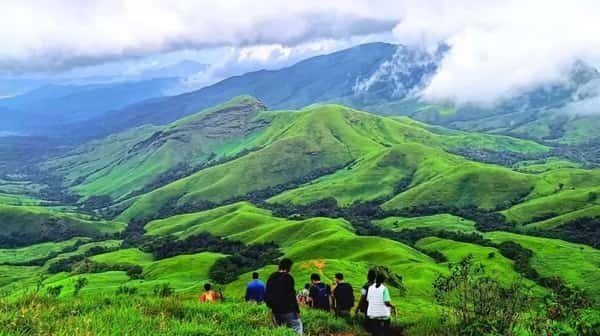
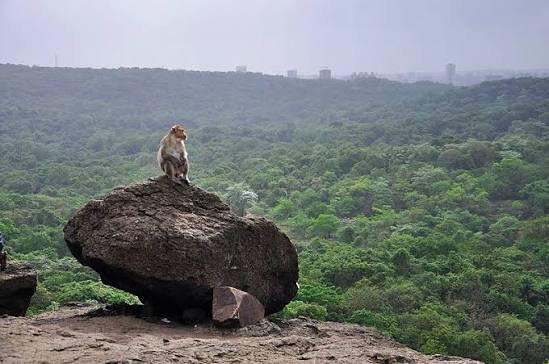
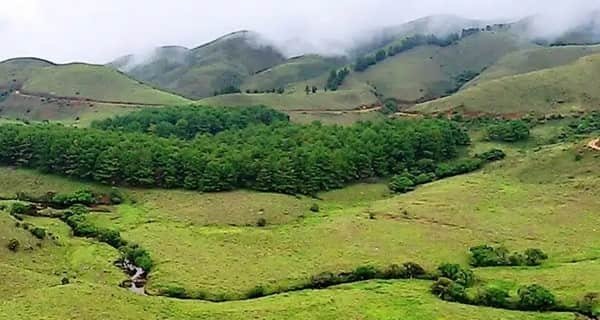
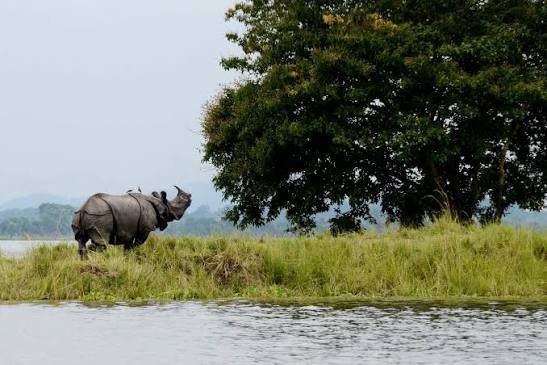
Kaziranga National Park is one of India’s most celebrated wildlife destinations and the country’s best-known stronghold of the greater one-horned rhinoceros. Located on the Brahmaputra floodplains in Assam, it is a landscape of tall elephant grass, wetlands, river channels and patches of woodland. Kaziranga was declared a national park in 1974, inscribed as a UNESCO World Heritage Site in 1985 and later became a tiger reserve in 2006.
The original notified national park covers 430 sq km, while subsequent additions have expanded the protected landscape. Assam government information records 2,613 rhinos in Kaziranga in the March 2022 count. Anyone planning a 2026 visit should note that Kaziranga closes during the monsoon. The 2025-26 tourism season ended on May 29, 2026, and the park is still in seasonal closure in early September 2026. Assam is preparing the 2026-27 season and has indicated that safari charges and the booking system are being revised. The latest confirmed tariffs below are therefore useful for planning, but the final 2026-27 rates should be checked after the reopening notification.
| Particulars | Details |
| Destination | Kaziranga National Park and Tiger Reserve |
| Where it is located | Brahmaputra floodplain in Assam; main tourism hub at Kohora near Bokakhat |
| Original notified National Park area | 430 sq km |
| UNESCO World Heritage status | Inscribed in 1985 |
| Current status in early September 2026 | Seasonally closed for the monsoon; 2026-27 reopening notification awaited |
| Jeep safari timings | Morning and afternoon shifts; exact slot depends on range and permit |
| Elephant safari timings | Usually early morning, around 5:00-7:00 AM in allotted one-hour slots |
| Latest published base entry fee | Indian ₹100; Foreign visitor ₹650 |
| Official elephant safari fee | Indian ₹1,200; Foreign visitor ₹2,000 per seat per trip, effective from Nov. 1, 2025 |
| Best time to visit | November to April |
| Recommended stay | 2-3 days |
Kaziranga National Park Timings
Kaziranga does not follow one all-day visitor schedule. Tourism is organised around safari shifts, and exact timings can vary by range, weather and road conditions.
Jeep safaris normally run in morning and afternoon sessions. Recent official schedules have used morning windows beginning around 7:00-7:30 AM and afternoon windows beginning around 1:30 PM. A jeep safari generally lasts about two hours, but the timing printed on the final permit should always be followed.
Elephant safaris operate much earlier, generally in one-hour slots around 5:00-6:00 AM and 6:00-7:00 AM. They do not necessarily operate in every range and usually begin later in the tourist season than jeep safaris.
November to April remains the most dependable visiting period. In some years selected jeep routes open in late September or October and remain available into May, depending on flood recovery and official approval.
Kaziranga National Park Ticket Cost
Kaziranga safari pricing has several components rather than one simple ticket. The final amount may include the park-view fee for each visitor, jeep hire, vehicle entry or toll, guide or welfare charges and applicable camera fees.
The latest Assam Tourism published tariff lists a base entry fee of ₹100 for Indian visitors and ₹650 for foreign visitors, plus a ₹300 vehicle entry charge and ₹200 guide fee.
The published base jeep charges for a vehicle carrying up to six passengers are ₹1,750 for Kohora, ₹1,850 for Bagori, ₹2,250 for Agoratoli and ₹2,750 for Burapahar.
These figures should not be treated as a guaranteed all-inclusive price for the 2026-27 season. In August 2026, the Assam government said safari charges were being reviewed and revised rates would be announced for the coming tourism season.
Elephant safari fees already have a confirmed government revision. An Assam government order effective from November 1, 2025 fixed the elephant-safari fee at ₹1,200 per Indian tourist and ₹2,000 per foreign tourist, per seat per trip. Other entry or service components may apply depending on how the booking is made.
Safari Zones in Kaziranga
Central Range – Kohora
Kohora is the best-known range and a good first choice for new visitors. Grasslands, wetlands and woodland provide opportunities to see rhinos, wild buffalo, deer, elephants and birds.
Western Range – Bagori
Bagori is especially popular for open grasslands and wetlands. It is often chosen by visitors whose main priority is viewing one-horned rhinos and other large herbivores.
Eastern Range – Agoratoli
Agoratoli is particularly rewarding for birdwatchers. Its wetland-rich eastern landscape is quieter than some central routes and also supports rhinos, elephants, buffalo and deer.
Burapahar Range
Burapahar has more woodland and uneven terrain than the classic open grassland scenery of central Kaziranga. It is useful for travellers who want a different landscape or have time for multiple safaris.
Jeep and Elephant Safari
The jeep safari is the most flexible way to explore Kaziranga. Open safari vehicles generally carry up to six visitors, and one trip usually lasts around two hours. Travellers staying for two days can choose different ranges rather than repeating the same circuit.
Rhinos are comparatively easy to see in suitable grassland zones, while tiger sightings are far less predictable.
The elephant safari is an early-morning experience that allows visitors to move through tall grassland and view rhinos and grazing wildlife from a different perspective. Seats are limited, and the operating range may change from season to season. A jeep safari booking does not automatically include an elephant ride.
Wildlife at Kaziranga
Beyond rhinos, Kaziranga supports tigers, elephants, wild water buffalo, eastern swamp deer, hog deer, sambar and wild boar.
Wetlands and shallow beels attract large numbers of birds, especially during winter. The annual Brahmaputra flood is also an essential ecological process because it replenishes wetlands and grasslands, although severe flooding can temporarily make safari roads unusable.
How to Reach Kaziranga National Park
Kohora is the main tourism centre for Kaziranga and lies on the road corridor connecting Guwahati with Upper Assam.
By Air
Jorhat is one of the nearest airports, about 95 km away according to Assam Tourism. Guwahati offers many more flight connections but is roughly 217 km from Kaziranga by road.
By Train
Assam Tourism lists Jakhalabandha as a nearby railhead, around 50 km from Kohora. Travellers may also use larger railway stations such as Furkating or Guwahati and continue by road.
By Road
Buses, taxis and private vehicles connect Kaziranga with Guwahati, Jorhat and other Assam towns. Early-safari visitors are better off staying near their chosen range the previous night.
Best Time to Visit Kaziranga
November to April is the most reliable period. December to February offers cooler weather and excellent conditions for jeep safaris and birdwatching. March and April are warmer, but shorter grass can sometimes improve wildlife visibility.
October can be attractive if routes reopen early, but all ranges may not be available immediately. May is less predictable because the park may close once heavy rain and flood risk increase.
How Much Time Is Needed?
Two nights and about two to three days are ideal for a first visit. This gives enough time for safaris in more than one range without rushing. Assam Tourism also suggests two to three days for exploring the four main ranges.
FAQs
Q. Is seeing a one-horned rhinoceros almost certain in Kaziranga?
Kaziranga offers one of the best opportunities anywhere to see the greater one-horned rhinoceros, particularly in open grassland ranges. However, all wildlife is free-ranging and no sighting can be guaranteed.
Q. Which safari range is best for a first-time visitor?
Kohora is generally the easiest first choice because it combines varied habitat with convenient access to the main tourism area. Bagori is another excellent option for travellers mainly interested in rhinos and large grassland mammals.
Q. Is one safari enough to experience Kaziranga?
One safari gives a good introduction, but it covers only one range and one part of the day. Two safaris in different ranges provide a more complete picture of the park.
Q. Can tourists use their own cars on safari routes?
Regular tourist safaris are conducted in authorised safari vehicles under park rules. Normal private cars are not used as substitutes for permitted safari jeeps on forest circuits.
Q. Is Kaziranga worthwhile for birdwatchers?
Yes. Its wetlands, grasslands and riverine habitats support extensive resident and migratory birdlife. Agoratoli is particularly popular among serious birdwatchers.
Q. Why does Kaziranga close during the monsoon?
Floodwater can submerge roads and make tourism unsafe while wildlife moves towards higher ground. Seasonal closure also allows authorities to focus on wildlife protection and repair damaged routes.
Q. Does Kaziranga reopen on the same date every year?
No. Reopening depends on monsoon conditions, road repairs and wildlife-management decisions. Some ranges may open earlier than others, so September and October visitors should wait for the official season notification.