Great Himalayan National Park is one of India’s most important Himalayan wilderness areas and a UNESCO World Heritage Site in Kullu district of Himachal Pradesh. The Himachal Pradesh Forest Department lists the National Park at 754.40 sq km, covering steep valleys, conifer forest, alpine meadows and high mountain terrain.
The park protects exceptional western Himalayan biodiversity, including snow leopard, Himalayan tahr, musk deer, blue sheep and the western tragopan. It is spread across the Tirthan, Sainj, Jiwa Nal and Parvati-side mountain systems and offers a very different experience from vehicle-based parks.
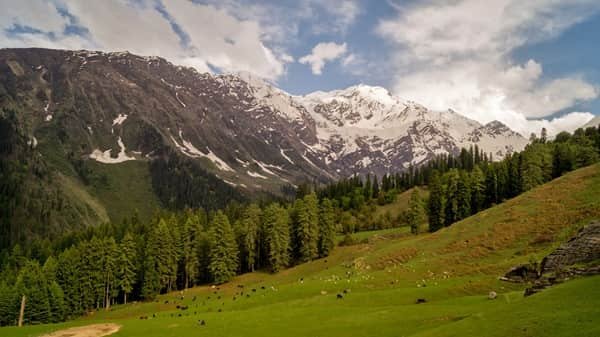
All meaningful travel inside the National Park is on foot. The official GHNP website states that there is no provision for motor safaris and that entry requires prior permission. Multi-day trekkers must use certified guides and porters. The official site was updated in September 2026 and specifically advises visitors to check the park authorities for the latest fee because current charges may change under the 2026 wildlife rules.
| Particulars | Details |
| Destination | Great Himalayan National Park |
| Where it is located | Kullu district, Himachal Pradesh |
| Area | 754.40 sq km |
| UNESCO status | World Heritage Site |
| Main activity | Permit-based trekking |
| Motor safari | Not available |
| Entry permit | Compulsory |
| Current ticket cost | Official website advises checking current fee with park authorities |
| Main access valleys | Tirthan and Sainj |
| Best season | April-June and September-November |
| Recommended duration | 2-7 days depending on trek |
Great Himalayan National Park Timings
GHNP does not follow fixed safari hours. Trekkers enter according to an approved route and permit, and daily movement is planned around daylight, camping points and weather.
Himachal Tourism recommends April to June and September to November. July-August rain can damage trails and bridges, while winter snow closes many higher routes.
| Period | Conditions |
| April-June | Good trekking weather and open routes |
| July-August | Monsoon; trails and bridges can be affected |
| September-November | Excellent post-monsoon trekking period |
| December-March | Snow restricts access to many areas |
Great Himalayan National Park Ticket Cost
The official GHNP website does not currently display a single 2026 fee table in text. Instead, it instructs visitors to check with park authorities for the latest rates. This is important because the site also lists Wildlife (Protection) Himachal Pradesh Amendment Rules, 2026 among its latest notices.
| Cost Component | Current Position |
| Park permit | Required; latest rate to be confirmed with GHNP office |
| Still/video camera | Additional permit/fee can apply |
| Certified guide | Required for multi-day treks |
| Porters | Required/strongly recommended for multi-day treks depending on itinerary |
| Camping/food | Arranged separately |
Permits are issued through the Director’s office at Shamshi and range offices such as Sairopa and Ropa. Visitors should avoid unofficial agents who claim to collect park fees on behalf of GHNP.
Tirthan and Sainj Valleys
Tirthan Valley
The Tirthan side is popular for access through Gushaini and Sairopa. It suits first-time visitors because accommodation is easier to find outside the core zone and several trek options begin nearby.
Sainj Valley
The Sainj side offers another major approach through Neuli and the park’s ecozone. Village landscapes and forest trails make it attractive to travellers looking for a quieter route.
Wildlife and Trekking
Snow leopard and musk deer are among the park’s most important mammals, while western tragopan gives GHNP exceptional value for bird conservation. Most visitors, however, experience the park through scenery, forest and trekking rather than regular large-mammal sightings.
Routes range from moderate ecozone walks to demanding multi-day expeditions. Trekkers should be prepared for sudden temperature drops and remote conditions.
How to Reach Great Himalayan National Park
By Road
Aut on the Kullu-Manali highway is the main road junction. From Aut, roads branch towards Tirthan and Sainj valleys.
By Air
Bhuntar Airport is the closest airport, with limited flights. Chandigarh is the larger long-distance alternative.
By Train
Jogindernagar is the nearest narrow-gauge railhead, but road travel remains the practical way to reach the park.
Best Time to Visit Great Himalayan National Park
April to June and September to November are the best periods. Spring offers fresh vegetation, while autumn usually brings clearer skies. Monsoon and deep winter are more difficult for serious trekking.
How Much Time Is Needed?
Two days are enough for a short ecozone experience, but a genuine core-zone trek normally needs several days. Visitors who want a substantial Himalayan wilderness experience should plan four to seven days rather than a quick excursion.
FAQs
Q. Can visitors drive inside GHNP?
No. The official park website says activities in the park are conducted on foot and there is no motor safari.
Q. Is a permit compulsory?
Yes. Entry is not allowed without prior permission.
Q. Do multi-day trekkers need a guide?
Yes. The official rules require certified guides and porters for multi-day treks.
Q. Is GHNP suitable for beginners?
Some ecozone walks are manageable, but core-area treks can be strenuous and require preparation.
Q. Can visitors see snow leopards?
Snow leopards occur in the park but are extremely difficult to see on normal treks.
Q. Why is the park a UNESCO World Heritage Site?
It protects outstanding western Himalayan ecosystems and high levels of biodiversity.
Q. Can tickets be bought from private agents?
The park warns visitors to use official GHNP offices and authorised arrangements rather than unverified fee collectors.
Q. Is one day enough?
Only for a short ecozone visit. The National Park is best appreciated on a multi-day trek.