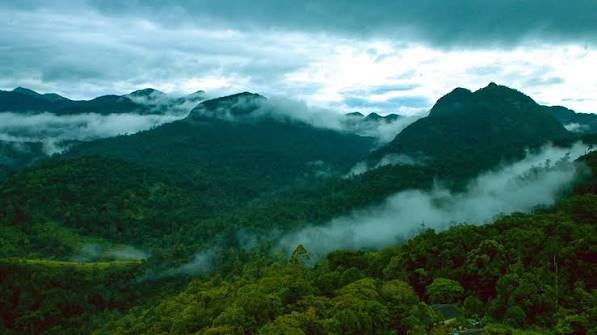
Mouling National Park is one of the least commercialised national parks in India and one of the finest examples of remote Eastern Himalayan wilderness. Spread across about 483 sq km in the Siang and Upper Siang region of Arunachal Pradesh, it rises from tropical and subtropical forest to temperate and alpine habitats around Mouling Peak, creating extraordinary biodiversity within a relatively compact area.
The park forms part of the Dihang-Dibang Biosphere Reserve and supports takin, clouded leopard, serow, golden langur, hornbills, pheasants, orchids and many species that remain poorly documented. The Siyom River and numerous smaller streams drain the landscape, while remote waterfalls and hanging bridges add to the experience for serious trekkers.
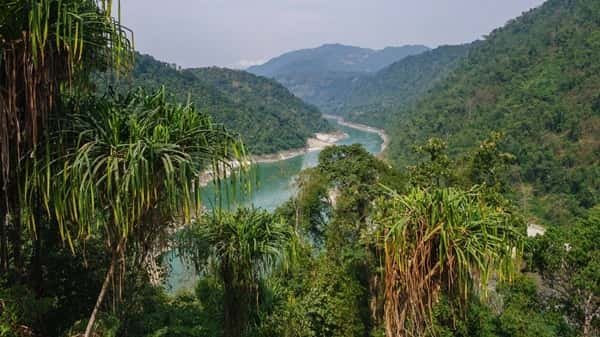
Mouling is not a drive-in national park. There are no conventional safari roads through the interior, and access is primarily by seasonal trekking routes from villages such as Bomdo and Ramsing. Travellers should plan through the Forest Department and local guides, carry realistic expectations about basic infrastructure and allow extra time for road and weather delays.
| Particulars | Details |
| Destination | Mouling National Park |
| Location | Siang and Upper Siang districts, Arunachal Pradesh |
| Area | 483 sq km |
| National Park notification | 1986 |
| Main experience | Remote trekking, birding and Eastern Himalayan forest |
| Safari system | No conventional jeep safari |
| Public visitor tariff | No consolidated 2026 online entry tariff located |
| Permit/guide | Arrange through Forest Department and local authorities |
| Main access villages | Bomdo and Ramsing/Lissing side |
| Nearest major town | Yingkiong / Jengging region |
| Best season | October to early January; broader dry-season trekking possible into spring |
| Recommended duration | 2-4 days depending on trek |
Mouling National Park Timings
Mouling has no fixed gate schedule comparable with an urban park. Access is based on daylight trekking, local permits and the condition of seasonal routes. Visitors should start early and follow the itinerary approved by the local Forest Department.
The Upper Siang district administration specifically highlights winter access by seasonal trekking paths from Bomdo and Ramsing villages. Heavy monsoon rain can make the park extremely difficult to approach.
| Activity | Practical Timing |
| Forest trek | Daylight only; start early |
| Visitor/forest office | Confirm locally before departure |
| Best dry-season window | October to early January is especially recommended by district administration |
| Monsoon travel | Not recommended for ordinary tourism |
Mouling National Park Ticket Cost
A single standard 2026 tourist-entry tariff is not prominently published by the Arunachal Pradesh Forest Department. Visitors should therefore budget for permits, guide/support staff, transport to the trailhead and any local camping or food arrangements separately.
| Cost Component | What to Do |
| National Park permission | Confirm with DFO Mouling/Jengging |
| Local guide | Arrange in advance; essential for remote trekking |
| Transport | Private/hired vehicle needed to reach roadhead villages |
| Camping/porters | Depends on trek duration and group size |
Trekking and Remote Landscape
Trekking is the only meaningful way to experience the interior. Routes from Bomdo and Ramsing pass through thick forest, streams and steep hill terrain. There are no polished tourism circuits, which is precisely why Mouling appeals to experienced nature travellers.
Dabung and Nirbung waterfalls are among the better-known natural attractions, while the forest itself changes dramatically with altitude.
Wildlife and Biodiversity
The park lies in one of the richest biodiversity regions of the Eastern Himalaya. Takin, serow, clouded leopard, golden langur, hornbills and high-altitude pheasants occur in the landscape, but sightings can be difficult because vegetation is dense and visitor movement is limited.
Orchids and other forest plants are a major part of the experience. Travellers interested in botany and birding may find Mouling more rewarding than visitors focused only on large mammals.
How to Reach Mouling National Park
Pasighat and Yingkiong are the practical access points. The final approach continues through remote villages and is partly on foot.
By air: Pasighat Airport is the nearest regional airport; Dibrugarh offers stronger connectivity.
By train: Murkongselek in Assam is the nearest railhead commonly used.
By road: Travel via Pasighat to Yingkiong/Jengging, then onward to the selected trekking approach.
Best Time to Visit Mouling
The Upper Siang district administration recommends October to the first week of January. These months provide lower rainfall and more manageable routes.
Spring can also be attractive for plants and birds, but route conditions should be confirmed. Monsoon access is difficult because of landslides, swollen streams and very heavy rain.
How Much Time Is Needed?
A proper Mouling visit should not be compressed into a day trip. Two to four days are more realistic once road travel, permits and trekking are considered.
FAQs
Q. Is there a jeep safari in Mouling?
No. The interior is explored mainly on foot through seasonal trekking routes.
Q. Do visitors need a guide?
Yes, a local guide and Forest Department coordination are strongly recommended because the park is remote and routes are not conventional tourist trails.
Q. Can Mouling be visited from Pasighat in one day?
No. Road access and trekking make a multi-day plan much more realistic.
Q. What wildlife is Mouling known for?
Takin, clouded leopard, serow, golden langur, hornbills and rich Eastern Himalayan biodiversity.
Q. Is there a fixed online ticket price?
A current consolidated 2026 tourist tariff is not prominently published; confirm with the DFO before travel.
Q. When is the best season?
October to early January is the clearest official recommendation for seasonal trekking.
Q. Is Mouling suitable for beginners?
Only for travellers comfortable with remote conditions, basic facilities and sustained trekking.
Q. Where can visitors stay?
Basic government/forest accommodation exists around Jengging and Ramsing, while better lodging is available in larger towns such as Pasighat.