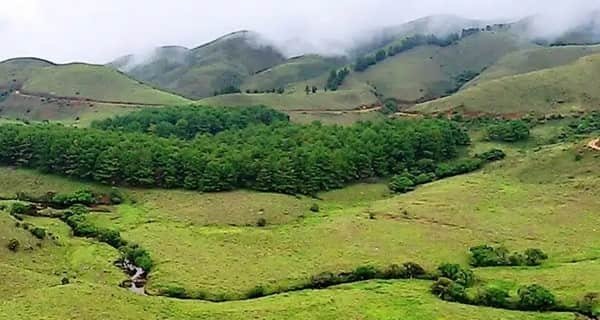
Neora Valley National Park is one of the quietest and most forested wildlife destinations in the eastern Himalaya. Located near Lava in Kalimpong district of West Bengal, the park protects about 88 sq km of steep valleys, dense evergreen forest, bamboo, rhododendron and high-altitude woodland. Unlike a conventional safari park, much of Neora Valley is experienced through regulated forest roads and trekking routes, which is exactly what makes it attractive to travellers who prefer wilderness over crowded sightseeing.
The park is especially important for the red panda, one of the eastern Himalaya’s most elusive mammals. West Bengal Tourism records more than 30 mammal species and over 250 bird species in the Neora landscape. Clouded leopard, Himalayan black bear, serow, barking deer and several smaller forest mammals also occur here, while birdwatchers come for laughingthrushes, sunbirds, minivets, woodpeckers and other Himalayan species.
For a first-time visitor, Lava is the practical base. Forest entry, vehicle movement and trekking are regulated, and access to deeper routes depends on permits, guides, road condition and weather. Neora is therefore best planned as a nature and trekking trip rather than as a quick two-hour safari.
| Particulars | Details |
| Destination | Neora Valley National Park |
| Location | Near Lava, Kalimpong district, West Bengal |
| Area | About 88 sq km |
| Main experience | Forest drives, trekking and birdwatching |
| Current entry fee | ₹200 per visitor under the restored West Bengal protected-area fee system |
| Vehicle road-user charge | Additional charge applies for permitted vehicles; confirm at booking |
| Guide | Required for regulated forest/trekking routes |
| Indicative visiting hours | Daytime access; commonly around 9:00 AM to 4:00 PM, route-dependent |
| Best season | October to April |
| Main base | Lava |
| Recommended duration | 1-2 days |
Neora Valley National Park Timings
Neora Valley does not run on a fixed zoo-style schedule. Entry is linked to forest permits and the route selected. Day visitors are generally moved through the accessible forest sections during daylight, and 9:00 AM to 4:00 PM is a practical planning window for most permitted excursions.
Weather matters more here than at many lowland parks. Heavy rain, fog, landslides or road damage can shorten a trip or close a route. Travellers should therefore keep the day flexible rather than planning a tight onward connection.
Neora Valley National Park Ticket Cost
West Bengal’s restored protected-area fee system currently lists ₹200 as the visitor entry fee for Neora Valley National Park. Vehicle road-user charges and guide charges are additional when a permitted forest vehicle or trekking route is used.
Because Neora is not a scheduled bus-safari park, the total trip cost depends on the route, group size, vehicle and guide. Travellers should confirm the complete amount through the West Bengal Forest/WBSFDA booking system or the local forest office at Lava before departure.
Rachela and the High Forest
Rachela is the best-known high point associated with the Neora landscape. The route climbs through changing forest types and, on clear days, opens towards the eastern Himalayan ranges. It is not a casual roadside viewpoint; access is tied to trekking permissions and local conditions.
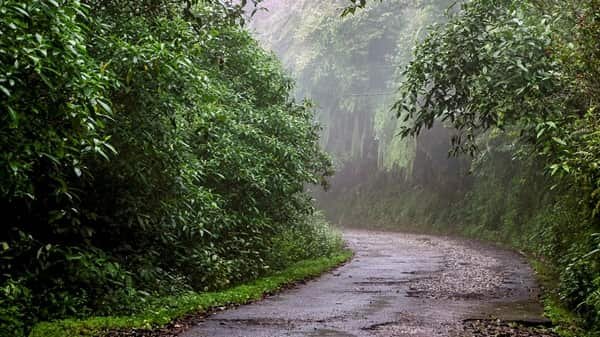
The deeper forest is the real attraction. Moss-covered trees, bamboo, orchids, rhododendrons and steep stream valleys create a far more immersive experience than the open grassland safaris seen elsewhere in India.
Wildlife and Birdwatching
The red panda is Neora Valley’s flagship species, but it is extremely difficult to see. Visitors should come for the forest experience rather than expecting a guaranteed sighting. Clouded leopard, black bear, serow and barking deer are also present but equally secretive.
Birdwatching is more reliable. The Lava-Neora belt is known for Himalayan forest birds, especially during the cooler months. Early morning walks around permitted forest edges can be particularly rewarding.
How to Reach Neora Valley National Park
By Air
Bagdogra Airport is the nearest major airport. Lava is reached by road through Kalimpong or the Dooars side, with travel time depending heavily on hill traffic and weather.
By Train
New Jalpaiguri is the most useful railway station. From NJP, travellers generally hire a taxi to Lava.
By Road
Lava is the main gateway and is connected by road with Kalimpong, Siliguri and nearby hill destinations. The final forest routes require authorised movement rather than ordinary sightseeing vehicles.
Best Time to Visit Neora Valley
October to April is the strongest period for clear weather, trekking and birdwatching. Winter mornings can be cold, but visibility is usually better than during the monsoon.
The monsoon transforms the forest into intense greenery but also brings heavy rain, leeches, landslides and route closures. It is not the easiest season for a first visit.
How Much Time Is Needed?
A full day is enough for a basic forest excursion from Lava, but two days are better for travellers who want to combine birding, short treks and nearby places such as Kolakham.
Serious birdwatchers should consider a longer stay because the most rewarding sightings usually come from slow mornings rather than a single hurried drive.
FAQs
Q. Is Neora Valley a jeep-safari park?
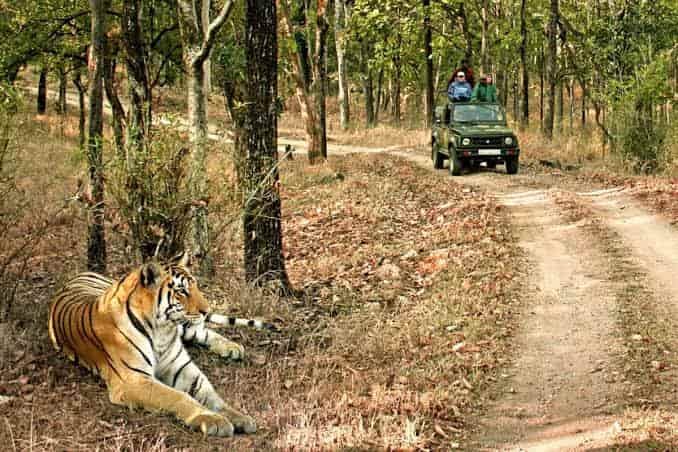
No. It is primarily a forest and trekking destination. Vehicle access exists on selected routes, but there is no fixed bus or jeep safari system like Bandipur or Ranthambore.
Q. Can visitors see red pandas easily?
No. Red pandas are present but highly elusive. A sighting should be treated as a rare bonus rather than the main expectation.
Q. Is a guide necessary?
For regulated trekking and deeper forest routes, visitors should use the authorised guide system and follow the permit conditions issued locally.
Q. Can Neora Valley be visited with children?
Yes for easier forest outings around Lava, but long treks and steep routes are better suited to older children who are comfortable walking in mountain terrain.
Q. Is Lava inside the National Park?
Lava is the main tourism base near the park rather than the core protected forest itself.
Q. What makes Neora different from the Dooars parks?
Neora is a steep Himalayan forest with trekking and birding, while many Dooars parks are lower-elevation grassland and riverine safari destinations.
Q. Is the park open during heavy monsoon?
Access can be restricted or suspended when roads and trails become unsafe, so monsoon travellers should verify route status before travelling.
Q. Is one day enough?
One day gives a basic introduction, but two days provide a much better chance to experience the forest slowly.