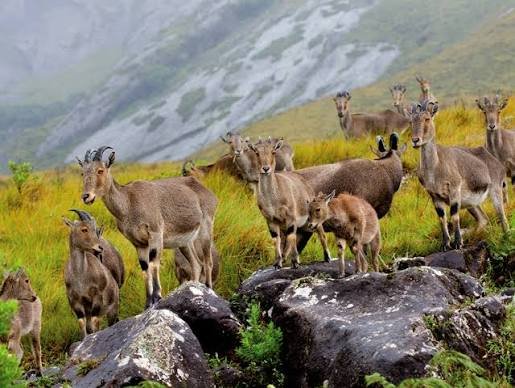
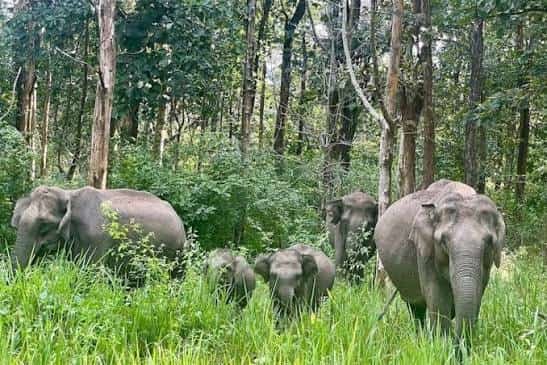
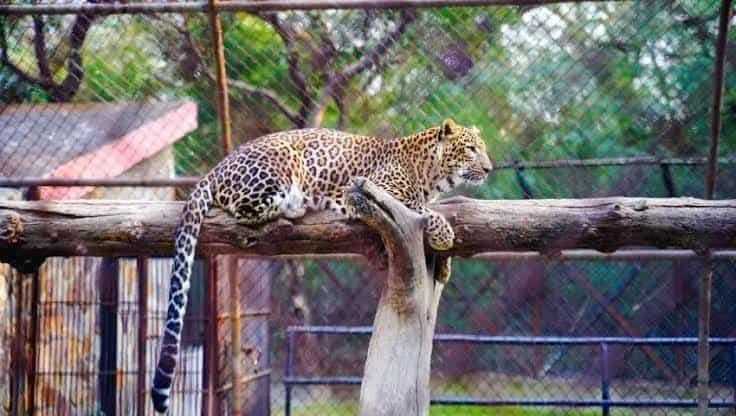
Nokrek National Park is a small but exceptionally important protected area in the Garo Hills of Meghalaya. Covering about 47.48 sq km, it forms the core of the much larger 820-sq-km Nokrek Biosphere Reserve, which UNESCO added to the World Network of Biosphere Reserves in 2009. The landscape is mountainous, densely forested and centred on the Nokrek range east of Tura.
Nokrek is best known for its remarkable plant diversity and for conserving the wild citrus Citrus indica, locally associated with the National Citrus Gene Sanctuary. The forest also supports elephants, hoolock gibbons, macaques, deer, civets, wild boar and a rich variety of birds and butterflies. Rivers such as the Simsang and Ganol rise from the Nokrek landscape, giving the reserve major ecological importance well beyond tourism.
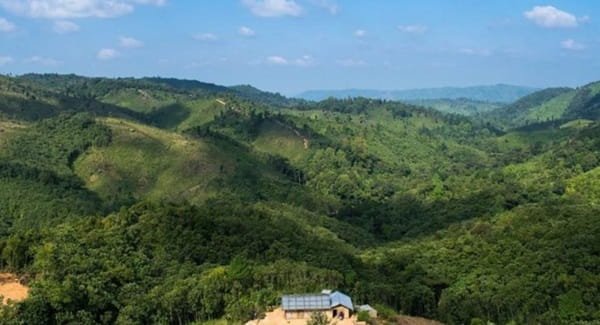
This is not a ticketed safari destination in the usual sense. Visitors mainly come for trekking, village-based nature travel and the climb towards Nokrek Peak through the Daribokgre side. There is no standard 2026 gate tariff prominently published by Meghalaya Tourism, so travellers should arrange access locally and confirm any forest or guide charges before starting.
| Particulars | Details |
| Destination | Nokrek National Park / Nokrek Biosphere Reserve |
| Location | Garo Hills, Meghalaya, east of Tura |
| National Park area | About 47.48 sq km |
| Biosphere Reserve area | 820 sq km |
| UNESCO Biosphere status | Recognised in 2009 |
| Highest point | Nokrek Peak, about 1,412 m |
| Main experience | Trekking, village tourism and biodiversity |
| Ticket cost | No consolidated 2026 public gate tariff found; confirm locally |
| Guide/permit | Local/forest guidance should be arranged for trekking |
| Best season | October to April |
| Main base | Tura |
| Recommended duration | 1-2 days |
Nokrek National Park Timings
Nokrek does not have a conventional visitor gate with fixed safari sessions. Treks are undertaken during daylight and should begin early enough to return before dark. Weather, trail condition and local permissions determine the practical schedule.
The Garo Hills receive heavy monsoon rain, so October to April is far easier for trekking than the peak rainy months.
Nokrek National Park Ticket Cost
Meghalaya’s current public tourism information does not publish a simple 2026 Nokrek National Park admission tariff. Visitors should therefore avoid relying on random online figures that mix guide fees, village contributions and transport charges.
The sensible approach is to confirm access through local tourism contacts in Tura, Daribokgre or the relevant forest authorities. Guide and transport costs are usually the main expenses for a Nokrek visit.
Nokrek Peak Trek
Nokrek Peak is the best-known outing. Meghalaya government information describes a roughly 3.5-km trek from Daribokgre village towards the peak area. The trail passes through dense forest and rolling Garo Hills terrain.
The trek is more about forest immersion and mountain ecology than a dramatic exposed summit. Good footwear is important because the trail can remain damp even outside the monsoon.
Citrus Gene Sanctuary and Biodiversity
Nokrek is internationally important for the conservation of Citrus indica, regarded as an ancestral wild citrus. The gene sanctuary in the wider biosphere landscape protects this genetic resource.
The forests also support elephants and many smaller mammals. Birdlife and butterflies are often easier to observe than large mammals, particularly along village edges and forest clearings.
How to Reach Nokrek National Park
By Road
Tura is the practical base. Visitors travel by road towards the Daribokgre or Sasatgre side and continue on foot for the trekking section.
By Air
The nearest practical airport for most travellers is Guwahati, followed by a long road journey to Tura. Regional air options can change, so Guwahati remains the dependable gateway.
By Train
Mendipathar is Meghalaya’s railhead, but many travellers still use Guwahati because of better train connectivity and onward road options.
Best Time to Visit Nokrek
October to April offers cooler temperatures and more manageable trails. November to February is especially comfortable for walking.
The monsoon is spectacularly green but can make the forest slippery, leech-prone and difficult to access.
How Much Time Is Needed?
A day is enough for a focused Nokrek Peak outing if the visitor starts near the trailhead. Travellers staying in Tura should allow extra road time.
Two days are better for anyone who wants to combine Nokrek with village visits, birdwatching and other Garo Hills attractions.
FAQs
Q. Is Nokrek a safari park?
No. There is no regular jeep or bus safari system. Trekking and nature exploration are the main visitor experiences.
Q. Why is Nokrek important to UNESCO?
The larger Nokrek Biosphere Reserve is part of UNESCO’s World Network of Biosphere Reserves because of its biodiversity, watershed value and human-nature landscape.
Q. Can tourists climb Nokrek Peak?
Yes, the peak area is approached by trekking routes, commonly from the Daribokgre side, subject to local access conditions.
Q. Is a tiger sighting expected?
No. Nokrek should not be planned as a tiger-sighting destination. Forest ecology, birds, butterflies and elephants are more realistic interests.
Q. Is there a fixed entry fee?
A single current 2026 gate tariff is not prominently published; travellers should confirm local forest and guide charges before the trek.
Q. Can Nokrek be visited from Shillong in one day?
It is not practical. Tura is the better base because the Garo Hills are a long road journey from Shillong.
Q. What is the best season for trekking?
October to April is the most practical period, with lower rainfall and better trail conditions.
Q. Is Nokrek suitable for families?
Yes for families comfortable with hill travel and moderate walking, but the main experience is more rustic than a developed city attraction.