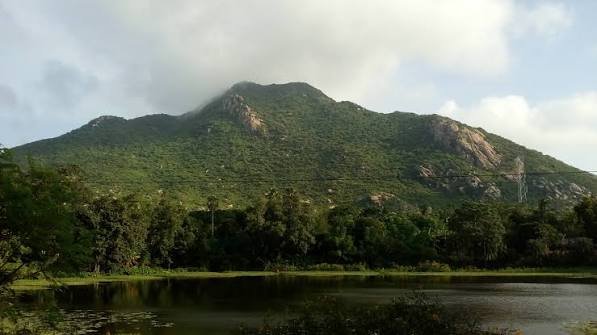
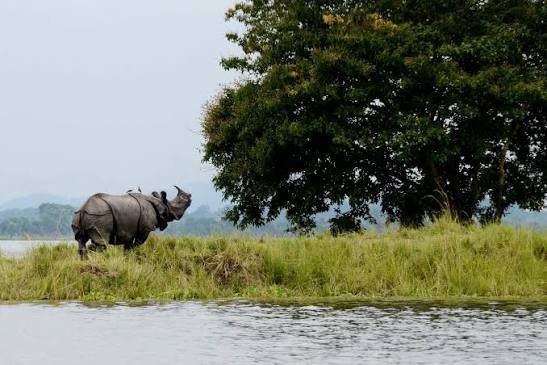
Khangchendzonga National Park is Sikkim’s largest protected area and one of India’s most dramatic high-altitude national parks. Spread across about 1,784 sq km according to the Sikkim Tourism Department, it stretches from temperate forests to glaciers and the high Himalayan world around Mount Khangchendzonga, the world’s third-highest mountain.
The park is exceptional because nature and culture are inseparable here. Khangchendzonga is sacred to Sikkim’s communities, and UNESCO inscribed the park as a mixed World Heritage Site in 2016 for both natural and cultural values. Red panda, snow leopard, Himalayan black bear, musk deer and many high-altitude birds occur in the protected landscape.
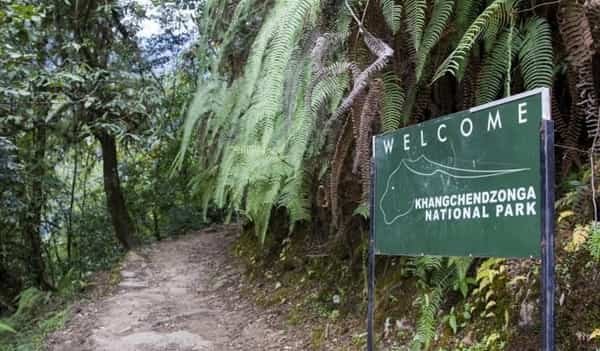
Visitors do not enter Khangchendzonga National Park for a vehicle safari. The classic experience is a multi-day trek from Yuksom through Tshoka, Dzongri, Thangsing and the Goecha La viewpoint route. Permits are compulsory, guides are required through the organised trekking system, and the trip demands far more preparation than a normal national-park day visit.
| Particulars | Details |
| Destination | Khangchendzonga National Park |
| Location | Sikkim Himalaya |
| Area | About 1,784 sq km |
| UNESCO status | Mixed World Heritage Site since 2016 |
| Main gateway | Yuksom |
| Main activity | Multi-day trekking |
| Popular trek | Yuksom-Dzongri-Goecha La route |
| Indian entry fee | ₹350 for the first seven days under the latest official state fee schedule located |
| Foreign visitor fee | ₹560 for the first seven days under the latest official state fee schedule located |
| Additional-day fee | ₹40 Indian / ₹80 foreign |
| Tent pitching | ₹50 per tent per day under the same fee schedule |
| Best season | Mid-March to mid-June and October to December |
| Recommended duration | 7-10 days for the main trek |
Khangchendzonga National Park Timings
This is not a fixed-hours sightseeing park. Trekking days begin and end according to the approved route, campsite and weather. Entry formalities are handled through the trekking and permit system rather than a daily safari gate.
The Sikkim government recommends the main Khangchendzonga trekking season from mid-March to mid-June and again from October to December.
Khangchendzonga National Park Ticket Cost
The latest official Sikkim fee schedule located for Khangchendzonga lists ₹350 for an Indian visitor for the first seven days and ₹560 for a foreign visitor for the first seven days. Additional days are charged separately.
These are park-entry components only. Trekking costs also include registered guide, porter or pack-animal support, accommodation or tents, food, transport to Yuksom and any required protected-area documentation.
Dzongri and Goecha La Trek
The best-known route begins at Yuksom and climbs through forest to Tshoka and Dzongri before continuing towards Thangsing and the Goecha La viewpoint area.
The trek is demanding because of altitude and duration. The scenery, however, is exceptional: rhododendron forest, alpine meadow, glacial valleys and close views of the Khangchendzonga massif.
Wildlife and Sacred Landscape
Red panda, snow leopard, Himalayan black bear, musk deer and other mountain mammals occur in the park, but trekking groups should not expect frequent large-animal sightings.
The cultural meaning of Khangchendzonga is equally important. Sacred mountains, lakes and landscapes form part of why UNESCO classifies the park as a mixed cultural-natural site.
How to Reach Khangchendzonga National Park
By Road
Yuksom is the standard roadhead for the popular trek. Travellers reach it by road from Gangtok, Pelling or other parts of Sikkim.
By Air
Pakyong Airport has limited services; Bagdogra in West Bengal is the more dependable major airport for many travellers.
By Train
New Jalpaiguri is the main railway gateway, followed by road travel into Sikkim.
Best Time to Visit Khangchendzonga
Spring brings rhododendrons and clearer access after winter. October and November often provide excellent mountain visibility.
The monsoon is unsuitable for the main trek because of heavy rain, slippery trails and cloud. Winter brings snow and severe cold at higher camps.
How Much Time Is Needed?
The main Dzongri-Goecha La trek needs roughly a week or more. Travellers should also keep acclimatisation and weather-buffer time.
A short day trip cannot provide a meaningful Khangchendzonga National Park experience.
FAQs
Q. Is Khangchendzonga National Park a safari destination?
No. The park is explored mainly through multi-day trekking routes.
Q. Do Indian tourists need a permit?
Yes. The Sikkim government states that a special pass is required for the National Park.
Q. Can foreigners trek independently?
Foreign visitors face additional protected-area rules and should use a registered local operator or guide system.
Q. Is Goecha La itself fully open?
The permitted trekking endpoint can be restricted short of the actual pass depending on current conservation and security rules.
Q. Can red pandas be seen on the trek?
They occur in the park but are elusive. A sighting is possible but should never be expected.
Q. Is this trek suitable for beginners?
Only fit beginners with proper acclimatisation and organised support should attempt the longer route.
Q. Why is the park a UNESCO mixed site?
UNESCO recognises both its exceptional Himalayan ecology and the sacred cultural traditions connected with Khangchendzonga.
Q. Is Yuksom inside the park?
Yuksom is the principal trekking gateway and permit hub rather than the high protected core itself.