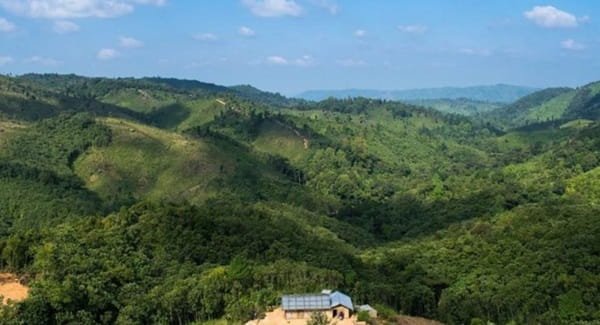
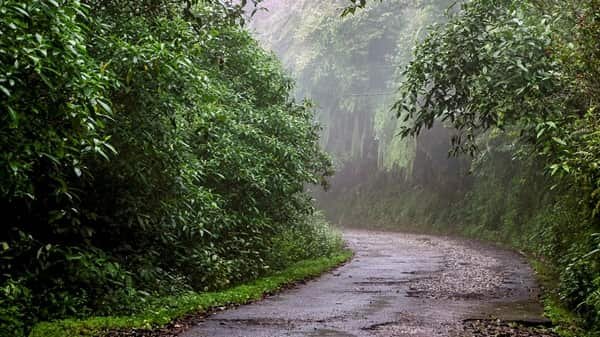
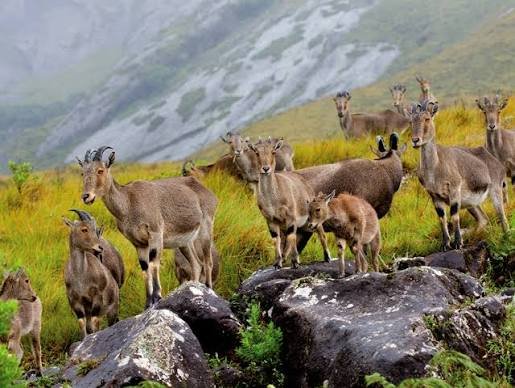
Eravikulam National Park is one of Kerala’s most distinctive protected landscapes and an important stop for travellers visiting Munnar. Spread across high-altitude grasslands and shola forests in the Western Ghats, the park is best known for protecting the Nilgiri tahr, an endangered mountain ungulate found only in the southern Western Ghats. Its rolling slopes, misty ridges and close views of tahr make the experience very different from a conventional jeep safari.
Established in 1978, Eravikulam covers about 97 sq km and was Kerala’s first national park. It also contains Anamudi, the highest peak in South India at 2,695 metres. Tourism is concentrated in the Rajamala zone, where private vehicles are not allowed inside and visitors use authorised park transport before exploring the designated visitor area on foot.
The park is also closely associated with Neelakurinji, the famous flower that blooms gregariously roughly once every 12 years. The last major flowering around Rajamala was in 2018, and the next large flowering is expected around 2030.
| Particulars | Details |
| Destination | Eravikulam National Park |
| Where it is located | Rajamala, near Munnar, Idukki district, Kerala |
| Nearest major tourist town | Munnar, around 13 km away |
| Year established | 1978 |
| Area | About 97 sq km |
| Main visitor zone | Rajamala Tourism Zone |
| Current entry window | 8:00 AM to 2:00 PM on the official booking portal |
| Indian adult entry | ₹200 |
| Foreign national entry | ₹500 |
| Ordinary camera | ₹50 |
| Video camera | ₹350 |
| Reservation fee | ₹50 where applicable |
| Annual closure | Around February–March for Nilgiri tahr calving; exact dates vary |
| Best known for | Nilgiri tahr, shola-grassland landscape, Anamudi and Neelakurinji |
| Recommended visit duration | Around 2–3 hours |
| Best season | October to January |
Eravikulam National Park Timings
The current Eravikulam National Park booking portal lists the visitor entry time as 8:00 AM to 2:00 PM. Travellers should use this as the practical entry window because admission is controlled through time slots and the park transport system.
Some Kerala Tourism pages still display a broader visiting-hours range. For actual trip planning, visitors should therefore rely on the time slot shown on the official booking portal for their chosen date.
The park normally closes for about two months during the Nilgiri tahr calving period. In 2026, the official site announced closure from February 1 to April 1 to protect newborn calves. Exact closure dates can vary from year to year, so anyone planning a February or March trip should verify the latest notice.
Eravikulam National Park Ticket Cost
The official park booking information currently lists the following main charges:
| Category | Current Rate |
| Indian adult | ₹200 |
| Foreign national | ₹500 |
| Ordinary camera | ₹50 |
| Video camera | ₹350 |
| Reservation fee | ₹50 where applicable |
The official public fee summary does not presently show a separate child tariff, so families should confirm any applicable child rate while selecting a booking slot or at the authorised counter.
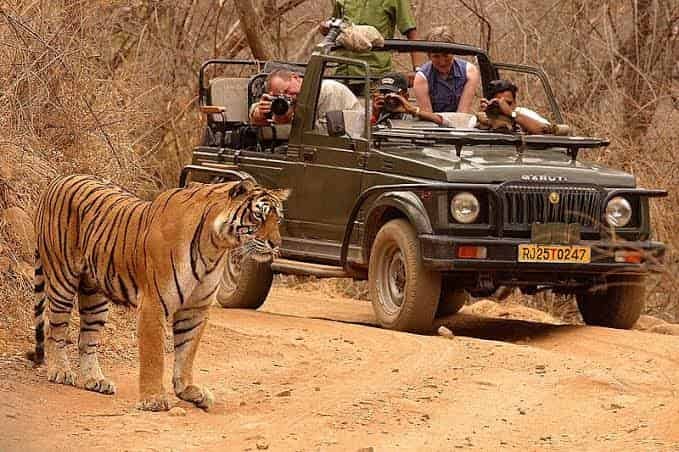
Unlike national parks where visitors hire a private safari jeep, Eravikulam does not allow private vehicles inside the tourism zone. Visitors use the authorised bus service from the base area towards Rajamala and then continue through the permitted visitor section.
Rajamala Visitor Experience
Rajamala is the main tourism and awareness zone of Eravikulam National Park. After reaching the visitor facility, travellers use the authorised bus for the uphill journey. The ride provides views of the surrounding slopes, tea-growing landscape and high-elevation terrain.
Visitors then walk through the designated section, where Nilgiri tahr can often be seen on grassy slopes and rocky areas. The experience is not a tiger-style safari through a large forest. It is a managed mountain-wildlife visit focused on scenery, interpretation and the chance to observe an endangered species in its natural habitat.
The tourism zone also includes interpretation facilities, a Kurinji garden, refreshment facilities and visitor amenities.
Nilgiri Tahr at Eravikulam
The Nilgiri tahr is the animal most strongly associated with Eravikulam. The park protects the largest wild population of this endangered species and was created largely to conserve its habitat.
Tahr are adapted to steep mountain slopes and high-altitude grasslands. At Rajamala, they may sometimes be seen at relatively close distance near the permitted visitor route. Sightings, however, depend on wildlife movement and are never guaranteed.
The annual tourism closure during the calving period is especially important because newborn tahr are vulnerable to disturbance.
Anamudi and the High-Altitude Landscape
Eravikulam contains Anamudi, which rises to 2,695 metres and is the highest peak in South India. However, an ordinary entry ticket does not provide unrestricted access to climb the peak.
Tourist movement is limited to designated areas, and unauthorised trekking inside the national park is prohibited. Any trekking activity should be undertaken only through programmes specifically permitted by the forest authorities.
The wider landscape consists largely of montane grasslands interspersed with shola forest patches. This shola-grassland system supports mammals, birds, reptiles, amphibians, butterflies and other wildlife and gives Eravikulam its distinctive rolling appearance.
Neelakurinji Flowering
Neelakurinji is another reason Eravikulam is famous. The plant is known for mass flowering roughly once every 12 years, when sections of the hills can take on blue and purple shades.
The last major flowering in the Rajamala-Munnar area took place in 2018. Kerala Tourism expects the next major flowering around 2030. Visitors travelling in ordinary years should not expect hills covered in Neelakurinji, although the park remains worthwhile for its wildlife and mountain scenery.
How to Reach Eravikulam National Park
Eravikulam is accessed through the Rajamala side near Munnar. The official park information places Munnar about 13 km away, making it an easy half-day excursion for travellers staying in the hill station.
By Road
Munnar is the main road base for visiting the park. Taxis, tourist vehicles and local transport can take visitors towards the Rajamala entrance. Private vehicles can reach the visitor base but cannot proceed into the national park tourism zone.
By Train
Aluva is one of the nearest major railway stations on the Kerala side, about 120 km away according to the official park information. Coimbatore railway station in Tamil Nadu is around 160 km away.
By Air
Cochin International Airport is approximately 148 km from the park, while Coimbatore Airport is about 175 km away. The final approach involves hill roads, so travel time can be much longer than the distance suggests.
Best Time to Visit Eravikulam National Park
October to January is one of the most comfortable periods for visiting Eravikulam. The monsoon has usually eased, the hills remain green and Munnar’s weather is pleasant for walking in the open visitor zone.
February and March are normally unsuitable because the park closes for the Nilgiri tahr calving season. The closure can sometimes extend into April, so exact reopening dates should be checked.
April and May can still be good after reopening, although midday conditions may feel warmer. The southwest monsoon from June onward brings dramatic greenery but also heavier rain, mist and less predictable outdoor conditions.
How Much Time Is Needed?
Around two to three hours is sufficient for most visitors to complete the standard Eravikulam experience, including the bus ride, walking through the Rajamala visitor zone and returning to the base.
Waiting times can increase on weekends, public holidays and during peak Munnar travel periods, so visitors combining the park with other attractions should avoid a very tight schedule.
FAQs
Q. Is Eravikulam National Park a traditional jeep-safari destination?
No. The standard tourist experience is centred on Rajamala. Private vehicles are not permitted inside, and visitors use authorised park transport before exploring the designated section on foot.
Q. Can visitors climb Anamudi with a normal park ticket?
No unrestricted access is provided. Tourist movement is controlled, and unauthorised trekking is prohibited. Any trekking should be through a programme specifically approved by the forest authorities.
Q. Are Nilgiri tahr easy to see?
Eravikulam is one of the best places to observe Nilgiri tahr, and animals are often seen in the Rajamala tourism zone. However, they are wild animals, so visibility varies.
Q. Why does the park close during the calving season?
The closure reduces disturbance to Nilgiri tahr and their newborn calves. The forest authorities announce the exact closure period each year according to calving conditions.
Q. Can private cars be driven to the wildlife-viewing area?
Private vehicles can reach the general visitor-entry side but cannot drive through the national park tourism zone. Visitors must use the authorised transport provided by the park.
Q. Is Eravikulam suitable for families with children?
Yes. The Rajamala visit is structured and does not require a full-day wilderness safari. Families should still be prepared for some walking, mountain weather and possible queues.
Q. What makes Eravikulam different from other national parks in South India?
Its strongest identity comes from the high-altitude shola-grassland ecosystem and Nilgiri tahr conservation. The visit combines mountain scenery, endemic wildlife and the distinctive landscape of the Munnar highlands.