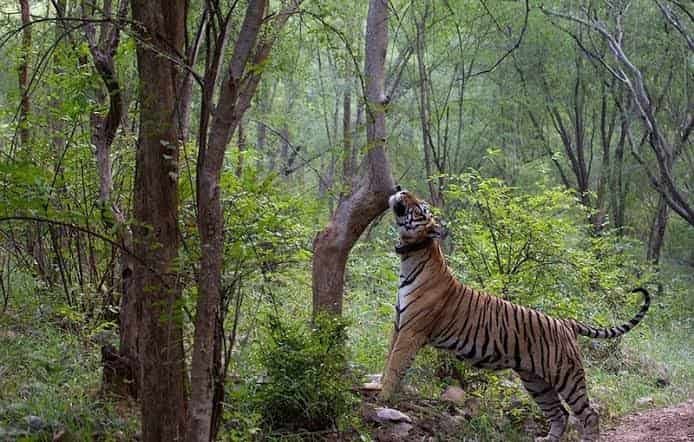
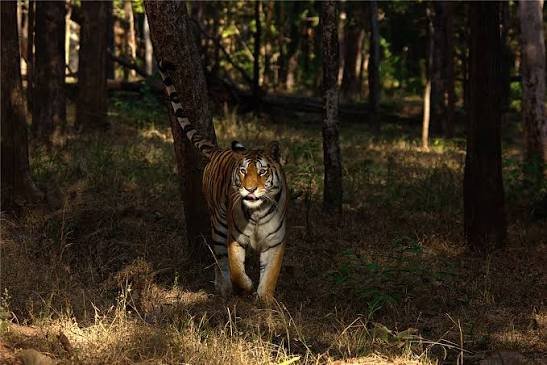
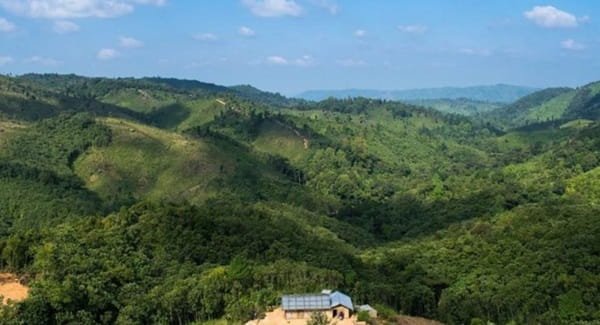
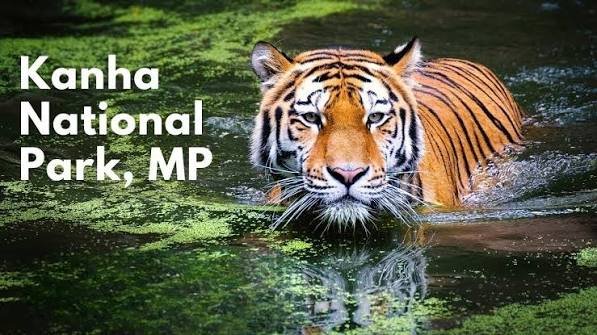
Kanha National Park is one of India’s best-known tiger landscapes, famous for sweeping meadows, sal forests and rich wildlife in the Maikal hills of Madhya Pradesh. Spread across Mandla and Balaghat districts, Kanha was among the first nine reserves brought under Project Tiger in 1973-74. The wider Kanha Tiger Reserve now covers about 2,051.79 sq km, comprising a 917.43 sq km core and a 1,134.36 sq km buffer.
Kanha is also internationally important for the hard-ground barasingha. Intensive habitat management rescued this deer from the brink of extinction, and it remains one of the reserve’s signature species along with tiger, leopard, dhole, gaur, sloth bear, sambar and chital. Tourism is organised through four core zones – Kanha, Kisli, Mukki and Sarhi – plus buffer zones and adjoining Phen Sanctuary. Core safaris normally operate from October to June, with the monsoon months closed to regular tourism.
| Particulars | Details |
| Destination | Kanha National Park / Kanha Tiger Reserve |
| Where it is located | Mandla and Balaghat districts, Madhya Pradesh |
| Core tiger habitat | 917.43 sq km |
| Buffer area | 1,134.36 sq km |
| Total Tiger Reserve area | About 2,051.79 sq km |
| Core safari zones | Kanha, Kisli, Mukki and Sarhi |
| Main entry gates | Khatia, Mukki and Sarhi |
| Safari season | October to June; monsoon closure generally July-September |
| Wednesday closure | Afternoon safari remains closed |
| Indian core permit | ₹2,640 normal date; ₹3,300 premium date for a full vehicle, before vehicle/guide charges |
| Best time to visit | November-February for weather; March-May for wildlife visibility |
| Recommended stay | 2-3 days |
Kanha National Park Timings
Safari timings change with the season because entry begins around sunrise and the afternoon drive must finish near sunset. Morning safaris usually end at about 11:00 AM, while afternoon entry becomes progressively later as the days lengthen.
| Period | Morning Safari | Afternoon Safari |
| Oct-Nov | Around 6:00-6:30 AM to 11:00 AM | Around 2:30-3:00 PM to sunset |
| Dec-Feb | Around 6:30-6:45 AM to 11:00 AM | Around 2:30-3:00 PM to sunset |
| March | Around 6:00-6:15 AM to 11:00 AM | Around 3:00 PM to sunset |
| Apr-Jun | Around 5:30-5:45 AM to 11:00 AM | Around 4:00 PM to sunset |
The exact times printed on the confirmed permit are final. Madhya Pradesh tiger reserves observe a half-day weekly closure, so the afternoon safari remains closed every Wednesday. Safaris may also be modified because of weather, fire risk or forest-management requirements.
Kanha National Park Ticket Cost
Safari cost has three main parts: the online forest permit, the registered safari vehicle and the mandatory guide. The MPOnline permit does not include vehicle and guide charges, so the permit price is not the final amount for a private jeep safari.
| Permit Type | Normal Date | Premium Date |
| Indian – Full vehicle, core | ₹2,640 | ₹3,300 |
| Indian – Single seat, core | ₹440 | ₹550 |
| Foreign – Full vehicle, core | ₹5,280 | ₹6,600 |
| Foreign – Single seat, core | ₹880 | ₹1,100 |
| Full vehicle – buffer | Around ₹1,320 | Generally lower than core premium pricing |
A safari vehicle normally carries up to six tourists, excluding driver and guide. Single-seat permits are useful for solo travellers and couples because the vehicle and guide cost is divided among those sharing the Gypsy. The official 2026-27 booking portal currently warns that a further rate increase has been proposed; if approved, the difference may be collected at the park counter. For future dates, the amount displayed by MPOnline at booking should therefore be treated as final.
Safari Zones in Kanha
Kanha Zone
Kanha Zone contains some of the reserve’s classic meadow-and-sal scenery and is one of the most sought-after circuits. Its grasslands are particularly associated with barasingha, chital and gaur, while tigers use both wooded and open habitats.
Kisli Zone
Kisli is convenient from the Khatia side and combines sal forest, bamboo and open patches. It offers a balanced first safari and can produce deer, gaur, dhole, sloth bear and tiger sightings.
Mukki Zone
Mukki lies on the southern side and has its own entry gate. It is well known for large-mammal activity and suits travellers staying around the Mukki tourism area.
Sarhi Zone
Sarhi is the northern core zone and often feels quieter than the most heavily requested circuits. It combines forest and open habitat and is worth considering for a second or third safari.
Buffer Zones and Phen Sanctuary
Khatia, Khapa and Sijhora are the principal buffer tourism zones, while Phen Sanctuary is managed as an associated protected area. Buffer drives can still produce tiger, leopard, sloth bear and other wildlife and are worthwhile when core permits are unavailable.
Wildlife at Kanha
The hard-ground barasingha is Kanha’s most distinctive conservation success. The reserve protected the last surviving population of this subspecies and rebuilt its numbers through meadow restoration and careful management. Tigers remain the headline predator, supported by leopards, dholes and sloth bears, while gaur, sambar, chital and wild boar are among the common large herbivores.
The official MP Forest e-brochure records around 300 bird species. Peafowl, hornbills, woodpeckers, raptors and many forest birds can be seen, especially on morning drives. As in every genuine tiger reserve, no particular animal sighting can be guaranteed.
How to Reach Kanha National Park
The three principal visitor gates are Khatia, Mukki and Sarhi. Choosing a hotel close to the gate mentioned on the permit is important because the gates are widely separated.
By Air
Jabalpur, Nagpur and Raipur are the main airport options. Khatia is about 160 km from Jabalpur, while Mukki is about 200 km away. Nagpur and Raipur can be practical for Mukki depending on flight schedules and the chosen road route.
By Train
Useful railway stations include Jabalpur, Gondia, Raipur, Bilaspur and Balaghat. Jabalpur is the most common rail gateway for Khatia and Sarhi; Gondia and Balaghat can suit Mukki-side travel.
By Road
Khatia is about 160 km from Jabalpur, 220 km from Nagpur and 250 km from Raipur. Mukki is around 200 km from Jabalpur, 260 km from Nagpur and 210 km from Raipur. Sarhi is about 150 km from Jabalpur and only around 8 km from Bichhiya.
Best Time to Visit Kanha
November to February is the most comfortable period, although early mornings can be very cold. March to May is hotter but popular with wildlife photographers because dry vegetation and concentrated water sources can improve animal visibility. April and May can be extremely hot in the afternoon.
The core park closes through the monsoon, generally from July to September. The official MP Forest e-brochure identifies mid-October to June as the best visiting period, while 2026-27 advance permits are being released for dates from October onward.
How Much Time Is Needed?
Two nights is a sensible minimum because it allows at least two safaris without a rushed transfer. Three nights is better for travellers who want different zones or a combination of core and buffer drives. Match your accommodation to the booked gate; staying near Khatia for a Mukki safari can mean a difficult pre-dawn journey.
FAQs
Q. Which Kanha safari zone is best for a first visit?
There is no zone that guarantees better wildlife every day. Kanha and Mukki are highly popular, but Kisli and Sarhi can be equally rewarding. Two safaris in different zones give a better impression of the reserve.
Q. Is the hard-ground barasingha unique to Kanha?
Kanha is the stronghold of the Central Indian hard-ground barasingha and is internationally recognised for saving this deer from near extinction. It is one of the most meaningful species to look for here.
Q. Can tourists change safari zones after entering?
No. The permit is issued for a specific tourism zone, and visitors must follow the route and gate conditions attached to it. One permit does not provide access to all four core zones.
Q. Is a buffer safari worth booking if the core is sold out?
Yes. Buffer zones form part of the wider tiger landscape and can hold tigers, leopards, sloth bears and other wildlife. The habitat differs from the core, but the drive still has genuine wildlife value.
Q. Is Kanha good for birdwatching?
Yes. With around 300 recorded bird species and a mix of sal forest, meadows, streams and wetlands, Kanha is rewarding even for visitors whose main aim is not tiger photography.
Q. Should the safari permit be booked before accommodation?
For peak dates, securing the permit first is usually wiser because zone availability is limited. Once the gate is confirmed, choose accommodation nearby to avoid unnecessary early-morning travel.