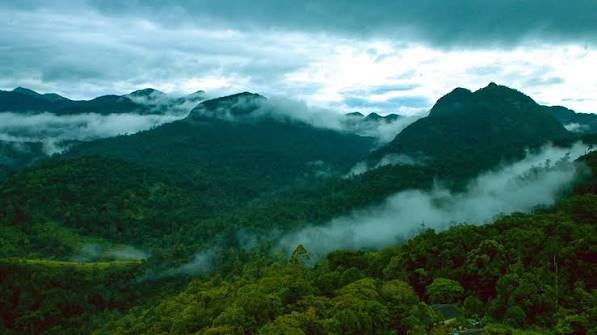
Indravati National Park is one of central India’s largest and least-explored forest landscapes. Located in Bijapur district of Chhattisgarh, it protects 1,258.37 sq km of national-park habitat and forms the core of the much larger Indravati Tiger Reserve. The reserve takes its name from the Indravati River, which runs along its northern and western side and also marks part of the Chhattisgarh–Maharashtra boundary.
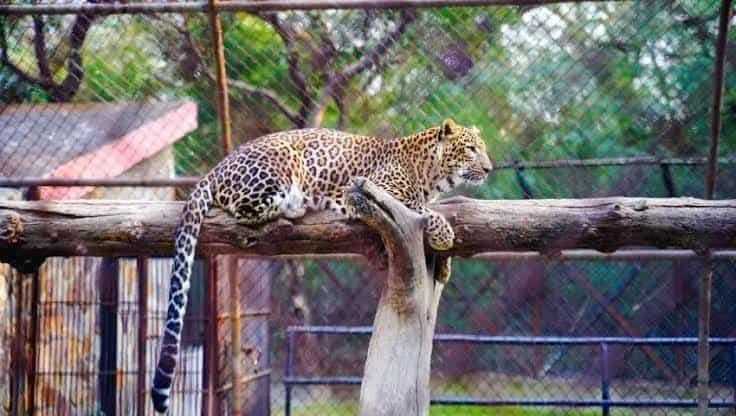
For wildlife travellers, Indravati is important for more than tigers. The forests hold one of Chhattisgarh’s last populations of wild water buffalo, the state animal, along with leopard, dhole, sloth bear, gaur, sambar, chital, nilgai, wild boar and a wide range of birds and reptiles. Moist and dry deciduous forest, bamboo, riverine habitat, grasslands and low hills give the reserve a more varied character than its reputation as a remote Bastar forest might suggest.
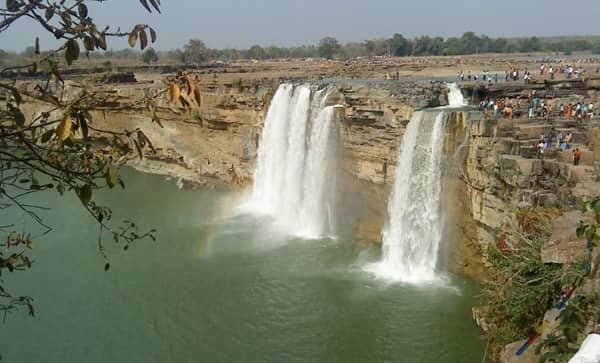
The most important travel fact in 2026 is that Indravati is only now returning to organised tourism after roughly four decades of very limited public access. The Forest Department is preparing a phased reopening from November 1, 2026. Safari routes, visitor facilities and eco-tourism services are being developed, but final public safari timings, booking procedures and ticket prices have not yet been officially notified. Readers planning a trip should therefore treat Indravati as an emerging destination, not as a fully established safari park like Kanha or Bandhavgarh.
| Particulars | Details |
| Destination | Indravati National Park / Indravati Tiger Reserve |
| Where it is located | Bijapur district, Chhattisgarh |
| National Park area | 1,258.37 sq km |
| Tiger Reserve area | 2,799.07 sq km |
| Core / critical tiger habitat | 1,258.37 sq km |
| Buffer area | 1,540.70 sq km |
| Tourism reopening | Planned from November 1, 2026 in a phased manner |
| Safari timings | Not officially published yet for the new tourism phase |
| Safari ticket cost | Not officially announced yet |
| Main wildlife | Wild water buffalo, tiger, leopard, dhole, gaur, sloth bear |
| Best season | November to May |
| Nearest railway station | Dantewada, about 90 km away |
| Nearest major airport | Raipur, about 480 km away |
| Recommended duration | 1–2 days once regular safari operations begin |
Indravati National Park Timings
Indravati does not yet have a settled 2026 public safari timetable. The Forest Department has announced plans to reopen organised wildlife tourism from November 1, 2026, but the first phase is being developed carefully and may operate only on selected routes and destinations.
| Visitor Information | Current Position |
| Planned tourism start | November 1, 2026 |
| Morning safari | Final timing not yet notified |
| Afternoon safari | Final timing not yet notified |
| Booking portal / counter | Official system not yet published |
| Current advice | Confirm opening, route and reporting time before travelling |
Recent Forest Department planning indicates that tourism will begin in limited, controlled phases rather than opening the entire 2,799-sq-km reserve at once. Safari circuits are being mapped and local community members are being trained for guiding and hospitality roles.
This phased approach matters for readers. A hotel or transport booking to Bijapur should not be treated as proof that a particular safari route is operating. The final permit and reporting instructions issued by the Forest Department will be the controlling information.
Indravati National Park Ticket Cost
No final 2026 safari tariff has been officially released for the new Indravati tourism phase as of October 2, 2026. That means older websites quoting entry or jeep prices should not be used as a reliable booking guide.
| Charge | Current 2026 Status |
| Park / safari permit | Not officially announced |
| Jeep safari charge | Not officially announced |
| Guide fee | Not officially announced |
| Camera / other charges | Not officially announced |
| Advance booking | Official booking method awaited |
Once tourism begins, the total safari cost is likely to include separate components such as the forest permit, vehicle and guide, but readers should wait for the Chhattisgarh Forest Department’s official notification rather than relying on speculative package prices.
Wildlife Safari and the New Tourism Phase
The reopening is significant because Indravati has never developed the mass tourism infrastructure seen in India’s better-known tiger reserves. The first safari circuits are expected to focus on a small number of designated destinations where access, security and visitor management can be controlled.
This should create a quieter wilderness experience, but it also means facilities may initially be basic. Visitors should expect long road journeys, limited accommodation close to the forest and stricter movement rules. Local youth are expected to participate as guides and hosts, giving the tourism model a strong community component.
Tiger sightings should not be the only reason to visit. Indravati is a huge forest and its animals are free-ranging. Even after safari operations begin, a tiger sighting will remain a matter of luck.
Wild Water Buffalo and Other Wildlife
The wild water buffalo is one of Indravati’s most important conservation stories. The reserve is considered one of the last refuges of this endangered animal in Chhattisgarh. Its survival gives the landscape significance beyond its tiger-reserve status.
The wider fauna includes tiger, leopard, striped hyena, dhole or Indian wild dog, wolf, sloth bear, gaur, chital, sambar, barking deer, nilgai and wild boar. Freshwater crocodiles, monitor lizards, pythons and other reptiles also occur in suitable habitat.
For photographers, grasslands and river-edge openings may offer better opportunities than the dense deciduous forest, but wildlife visibility will vary sharply by season and route.
Indravati River and Forest Landscape
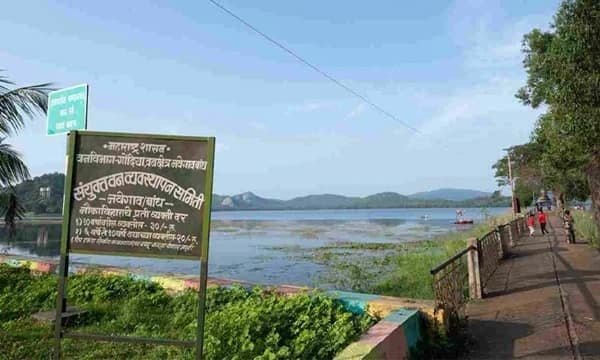
The Indravati River shapes the northern and western edge of the reserve and gives the park its name. Numerous seasonal streams drain the undulating terrain, while hills such as Kutroo, Kandlapatru and Matti Murka break up the forest landscape.
The reserve contains southern moist mixed deciduous forest with and without teak, dry mixed deciduous forest, bamboo and grassland. Mahua, tendu, saja, salai, arjun, jamun and several other central Indian tree species are found here.
How to Reach Indravati National Park
Indravati is remote, and reaching it is a substantial part of the journey. Bijapur and the Kutru side are the practical access points once tourism routes are finalised.
By Air
Swami Vivekananda Airport in Raipur is the major airport used for long-distance travel. The Bijapur district administration lists it at roughly 480 km from the park region, so visitors should plan a full road journey after flying in.
By Train
Dantewada is the nearest major railway station listed by the district administration, at roughly 90 km. Rail connectivity in south Bastar is limited compared with central Chhattisgarh.
By Road
Road is the only practical final approach. The older park literature identifies Kutru as a main entry side. Because the new tourism circuits are still being finalised, visitors should confirm the exact reporting point before travelling.
Best Time to Visit Indravati National Park
Government tourism material identifies November to May as the best general season. November to February should provide the most comfortable temperatures, while March to May becomes hotter and drier.
Dry-season conditions can sometimes improve wildlife visibility around water sources, but the heat is considerable. The monsoon is not the practical season for a first safari because roads and streams can become difficult and the new tourism system may impose seasonal restrictions.
How Much Time Is Needed?
Once regular safaris begin, one full day should be the minimum for a wildlife visit. Two days will be more sensible for travellers coming from far away because the approach to Bijapur is long and safari availability may initially be limited.
Travellers should also keep some flexibility in their itinerary during the first tourism season. New routes, operating days and booking procedures may change as the Forest Department gains experience with visitor management.
FAQs
Q. Can tourists visit Indravati National Park right now?
Organised safari tourism is being prepared for a phased reopening from November 1, 2026. Visitors should confirm that the selected route has actually opened before travelling.
Q. What is the current Indravati safari ticket price?
A final official 2026 tariff has not yet been published. Any fixed amount circulating before the Forest Department announcement should be treated cautiously.
Q. Is Indravati National Park the same as Indravati Tiger Reserve?
The National Park covers 1,258.37 sq km and forms the core of the larger 2,799.07-sq-km Indravati Tiger Reserve, which also includes a substantial buffer.
Q. Is Indravati a good place to see wild buffalo?
Yes. The reserve is one of the last important habitats of the endangered wild water buffalo in Chhattisgarh, although sightings can never be guaranteed.
Q. Will tiger sightings be common after reopening?
No. Tigers occur in the reserve, but Indravati is a vast wilderness. Visitors should come for the overall forest and wildlife experience rather than expect a tiger on every safari.
Q. Is Indravati suitable for a quick weekend trip from Raipur?
Not really. The road distance is very long, so the park is better planned as a dedicated Bastar trip with at least one overnight stay near the tourism access point.
Q. Are all parts of the reserve opening to tourists?
No. The current plan is for limited, controlled tourism on selected routes rather than unrestricted access across the entire reserve.
Q. What should visitors check before departure?
Confirm the official reopening status, safari route, booking method, reporting point and local road conditions. These details are especially important during Indravati’s first organised tourism season.